
Gold Industry Leaders Tackle the Trust Test at IMARC 2026
From knowing when to walk away from an acquisition to the future of responsible mining and Australia’s exploration pipeline, this year’s IMARC Leadership Breakfast covered some of the biggest issues facing the gold sector. We look back at the discussion and the perspectives shared by leaders from Evolution Mining, the World Gold Council and Westgold Resources.
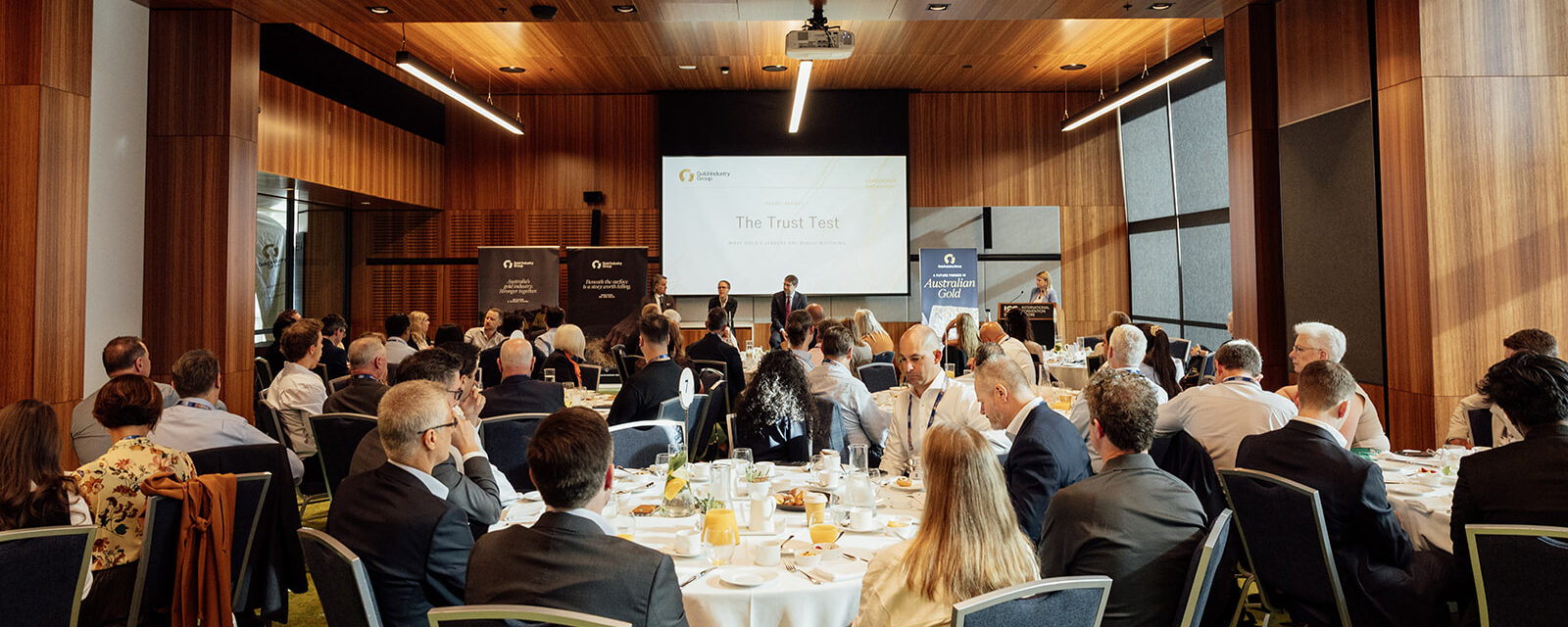
Strong gold prices have created significant opportunities for Australian producers, but they have also brought renewed scrutiny of how companies invest, manage costs and build confidence among shareholders and stakeholders.
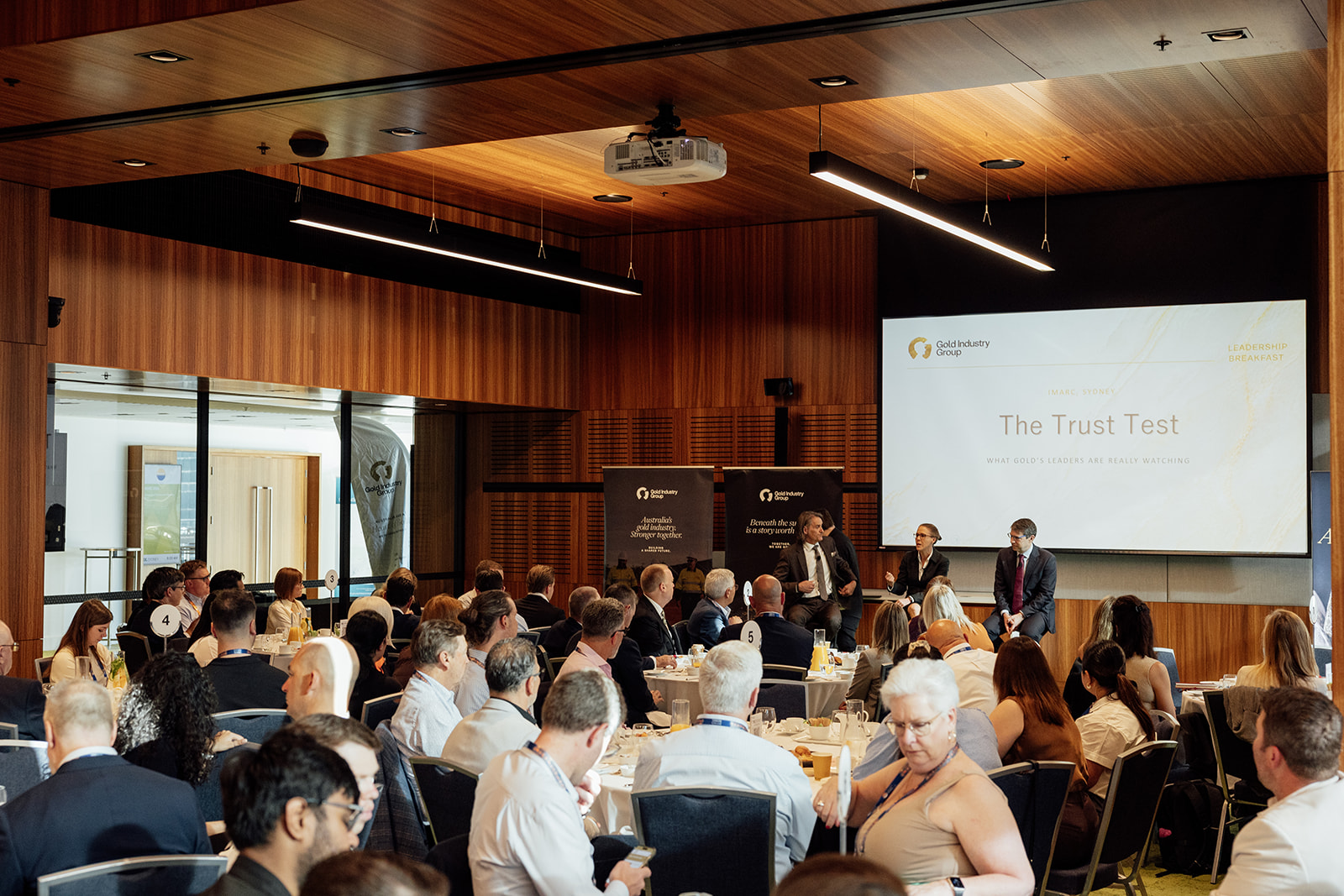
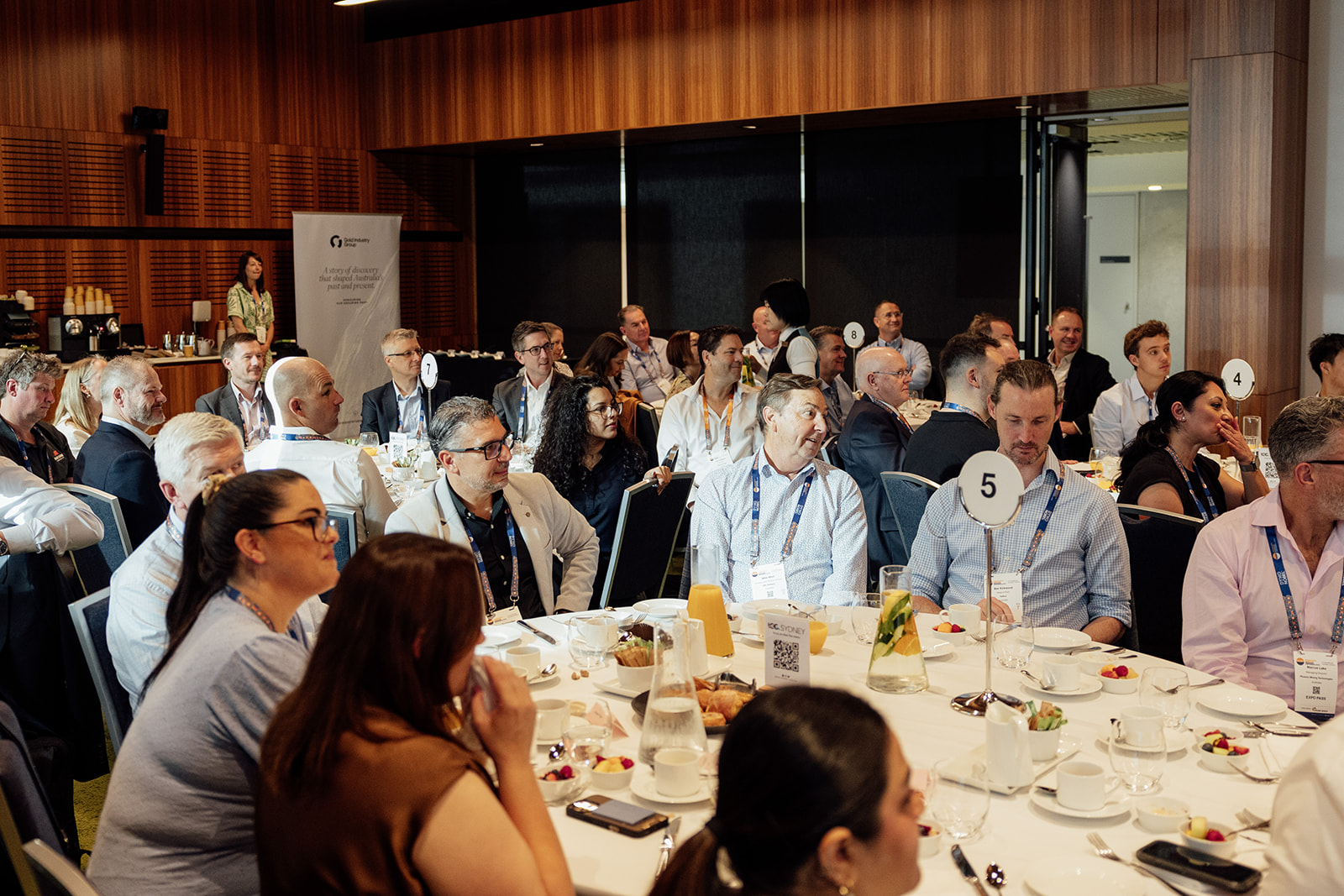
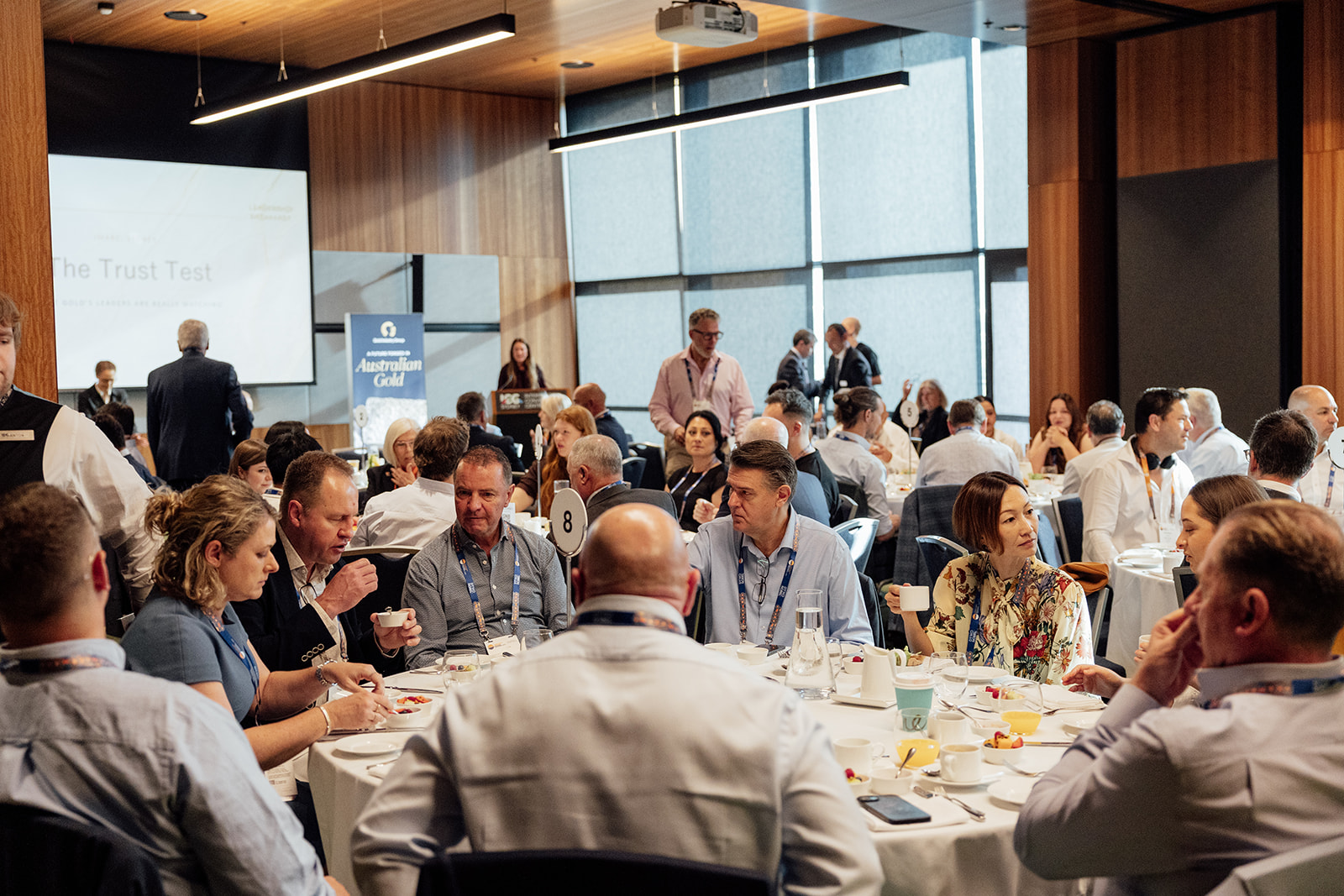
These challenges were at the centre of the Gold Industry Group’s 2026 IMARC Leadership Breakfast, The Trust Test: What Gold’s Leaders Are Really Watching, held at ICC Sydney on 28 October.
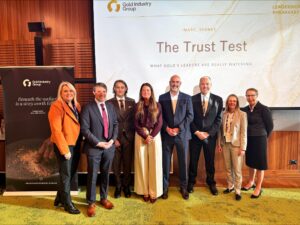
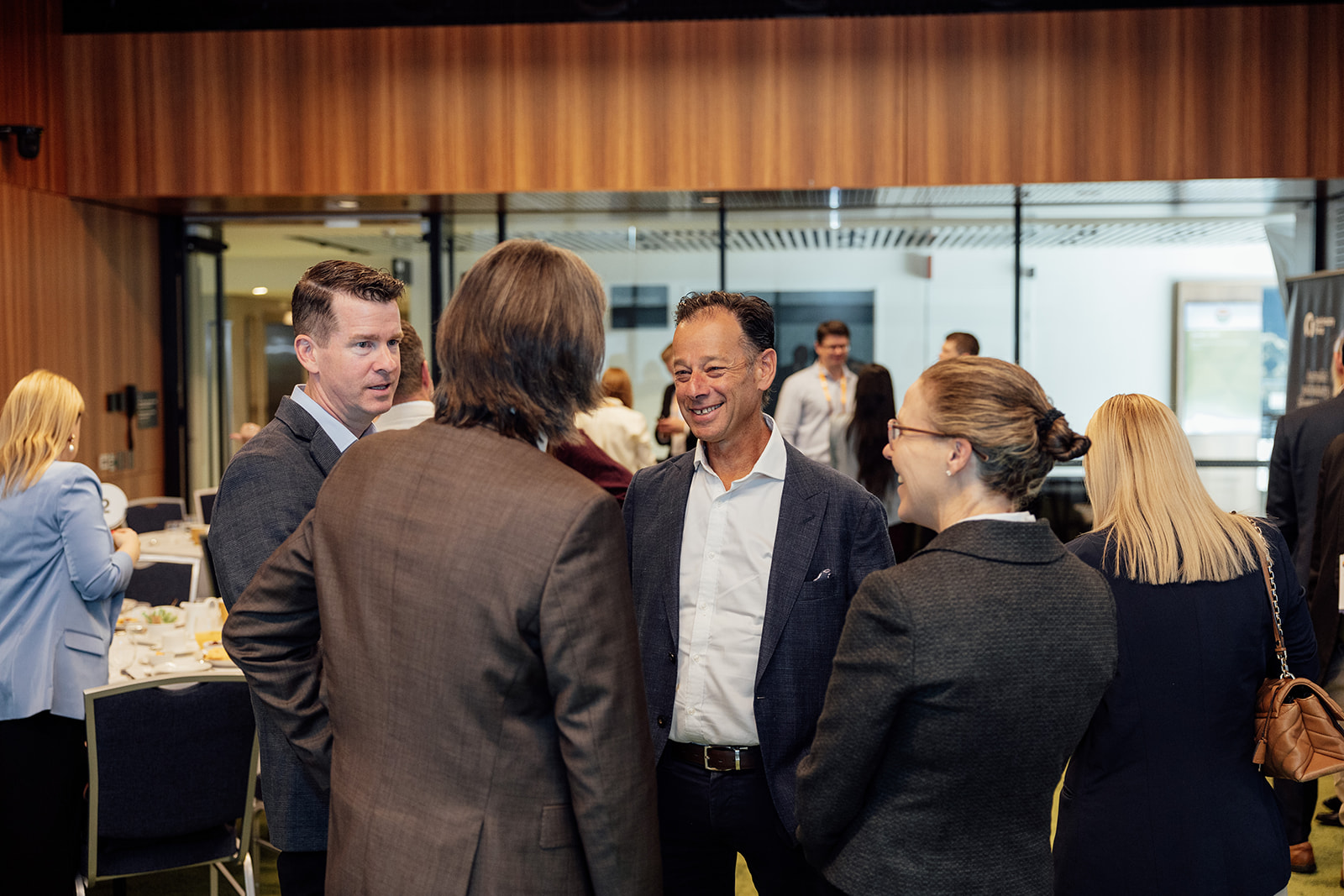
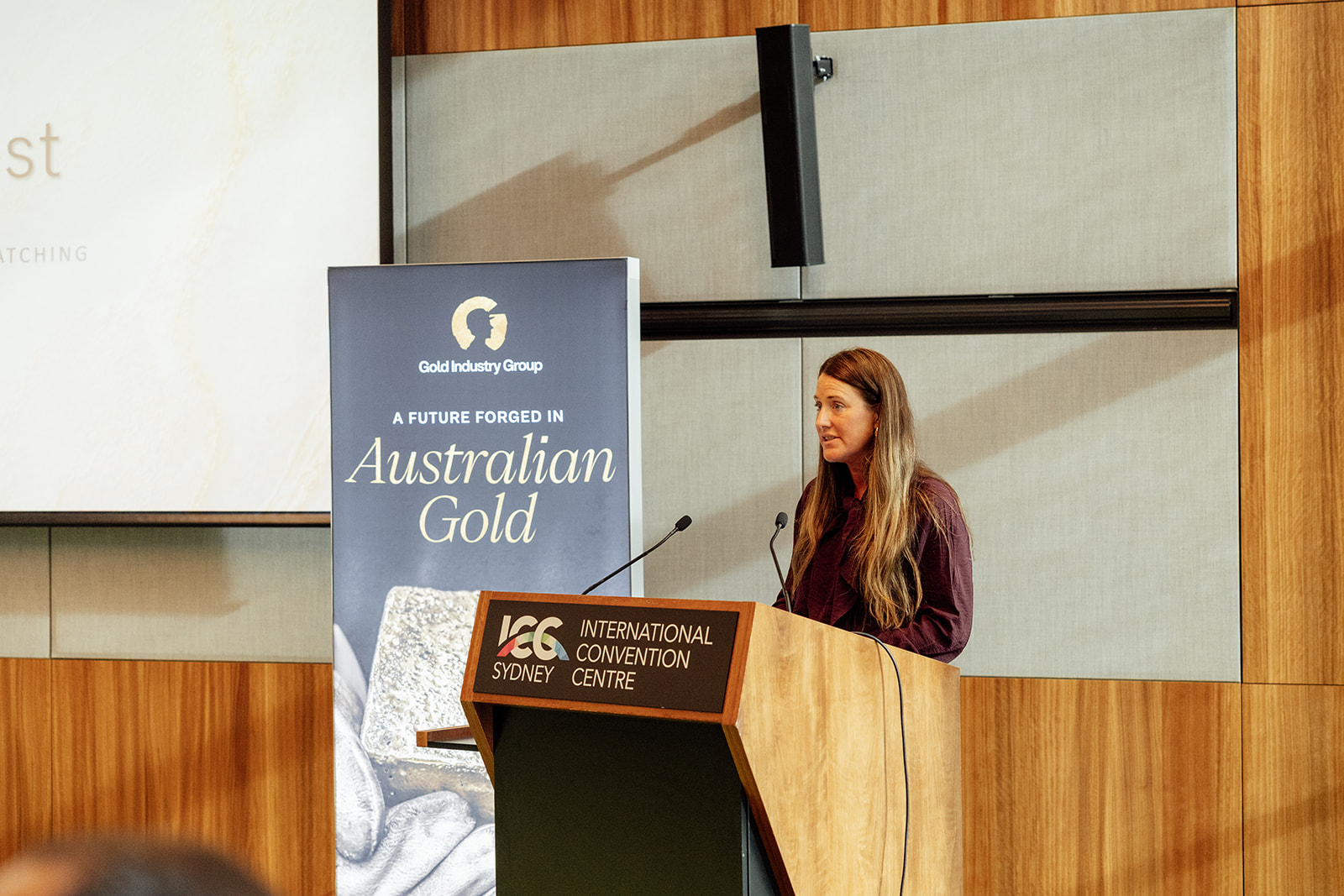
Gold Industry Group CEO Kristy Reilly opened the breakfast, welcoming members, partners and guests and setting the scene for the morning’s discussion. Among the special guests were the Hon David Michael MLA, Western Australian Minister for State Development; Economic Diversification; Finance; Electoral Affairs; and Goldfields-Esperance, and Georgina Beattie, Deputy Secretary, NSW Resources, at the NSW Department of Primary Industries and Regional Development.
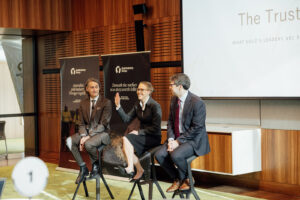
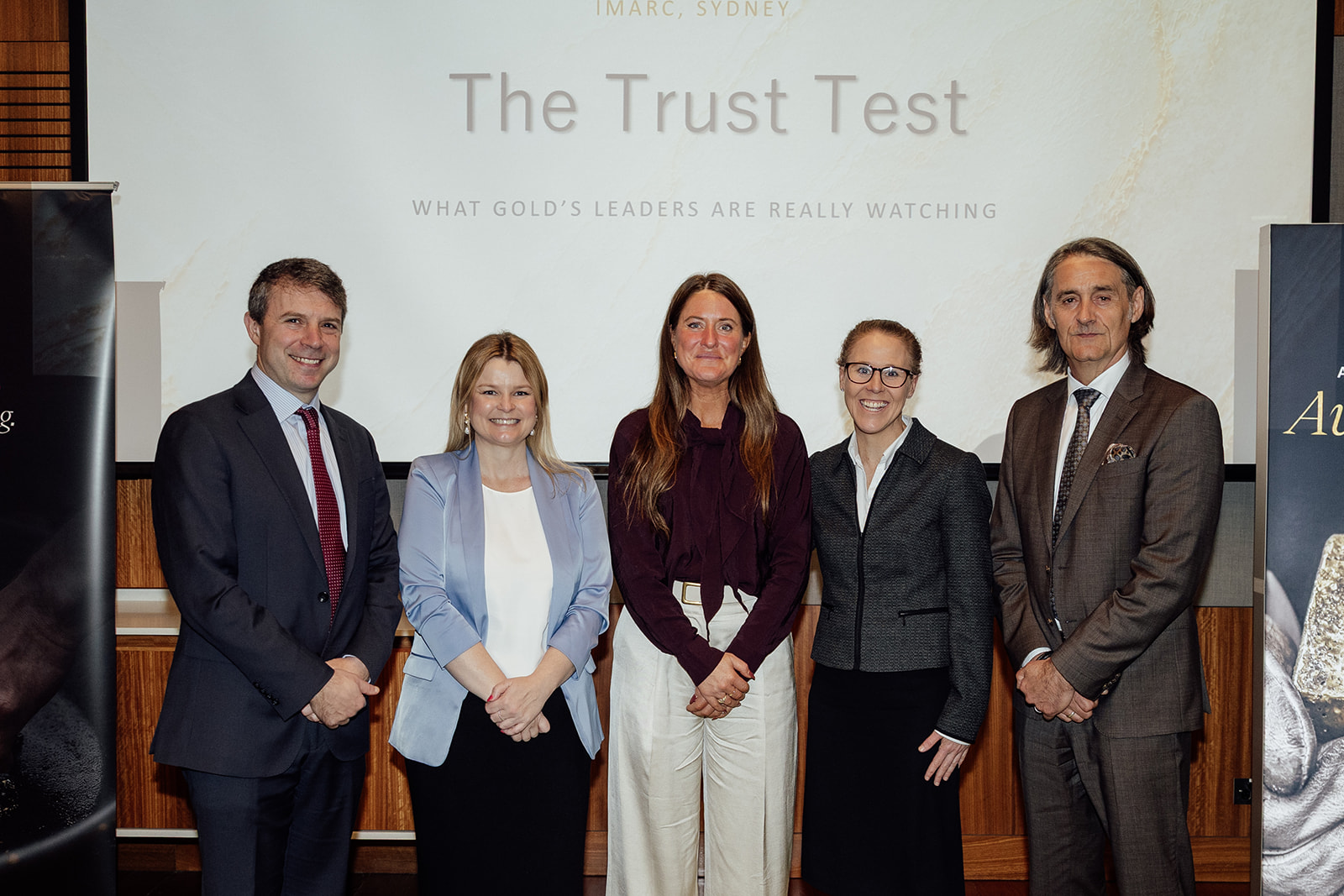
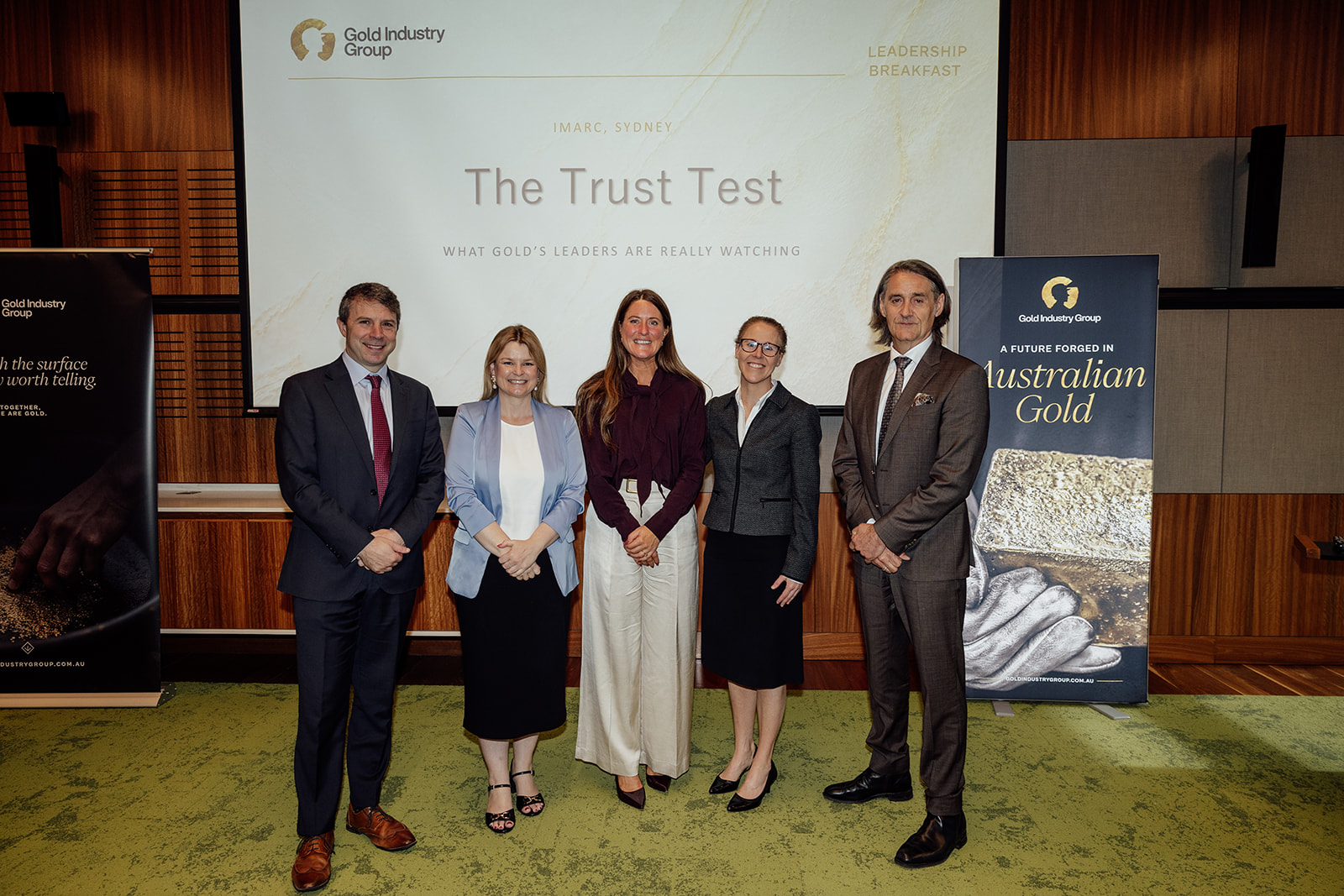
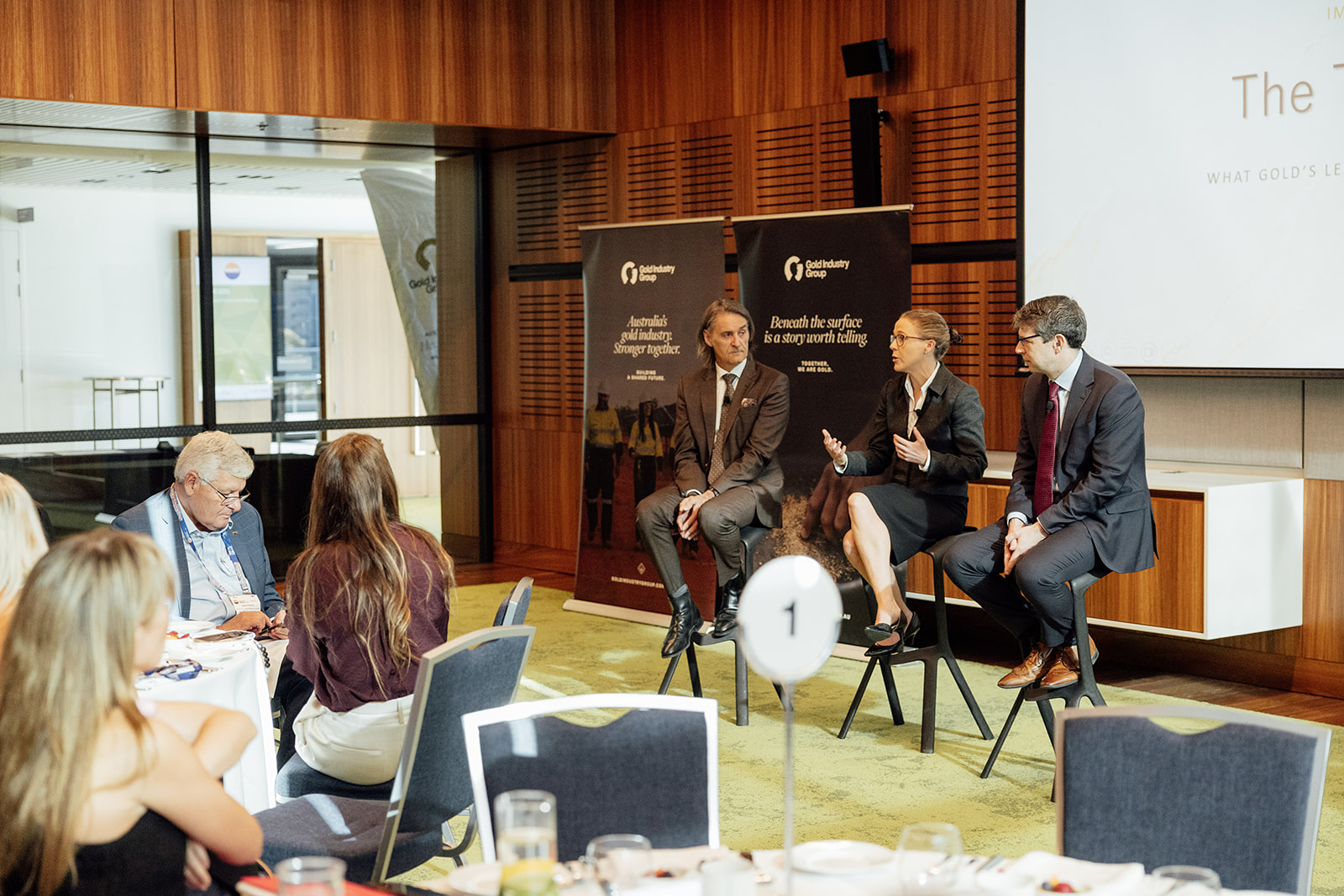
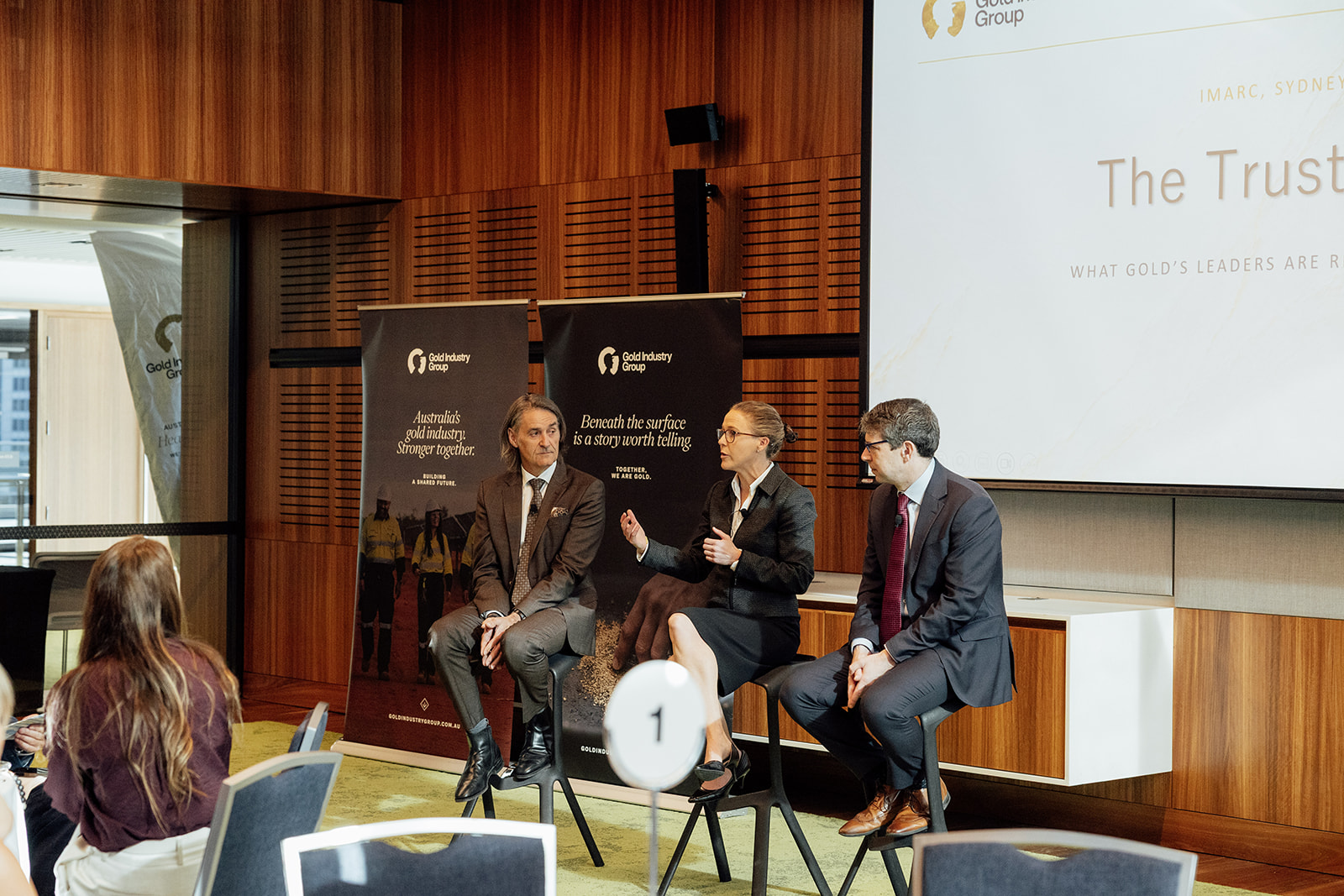
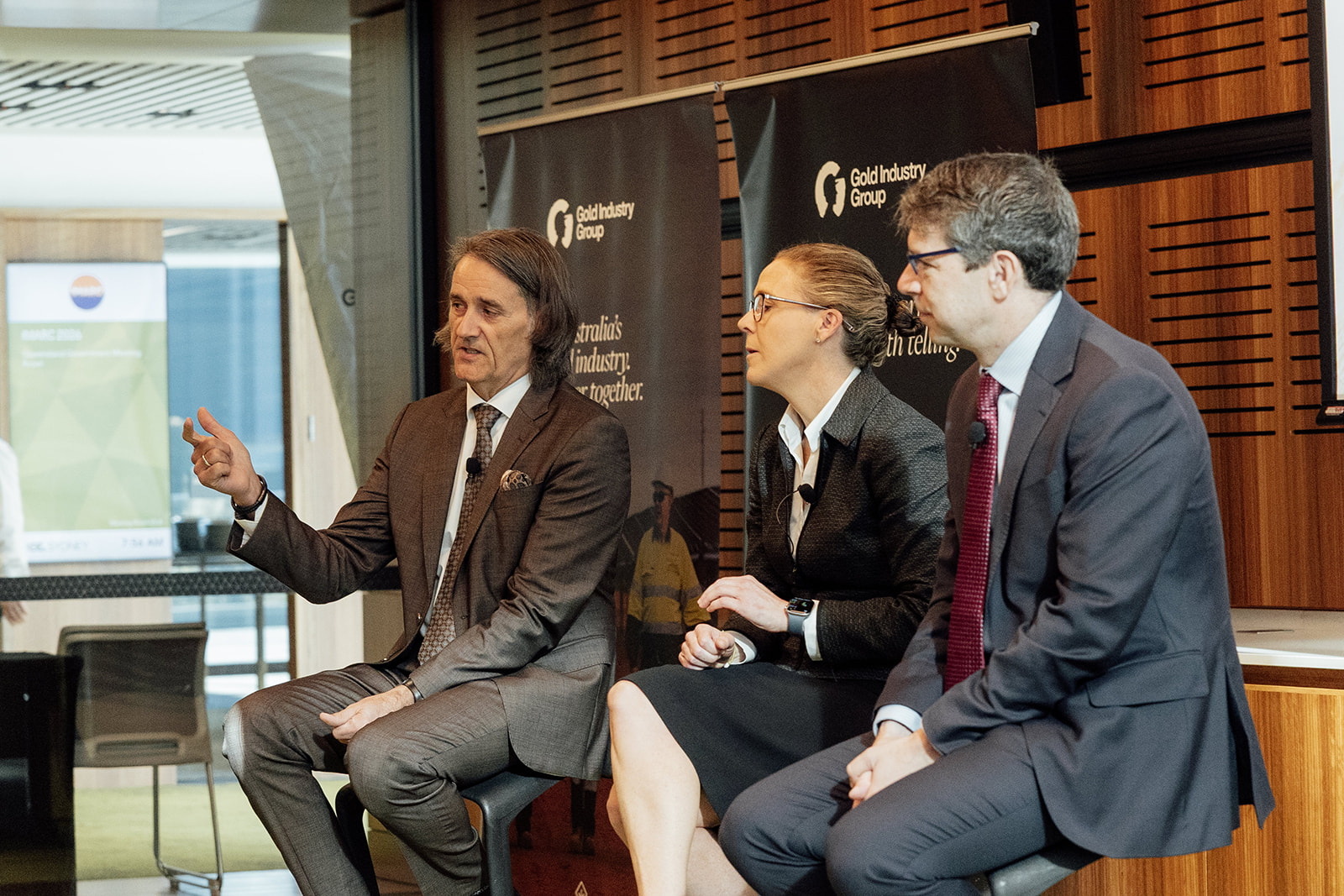
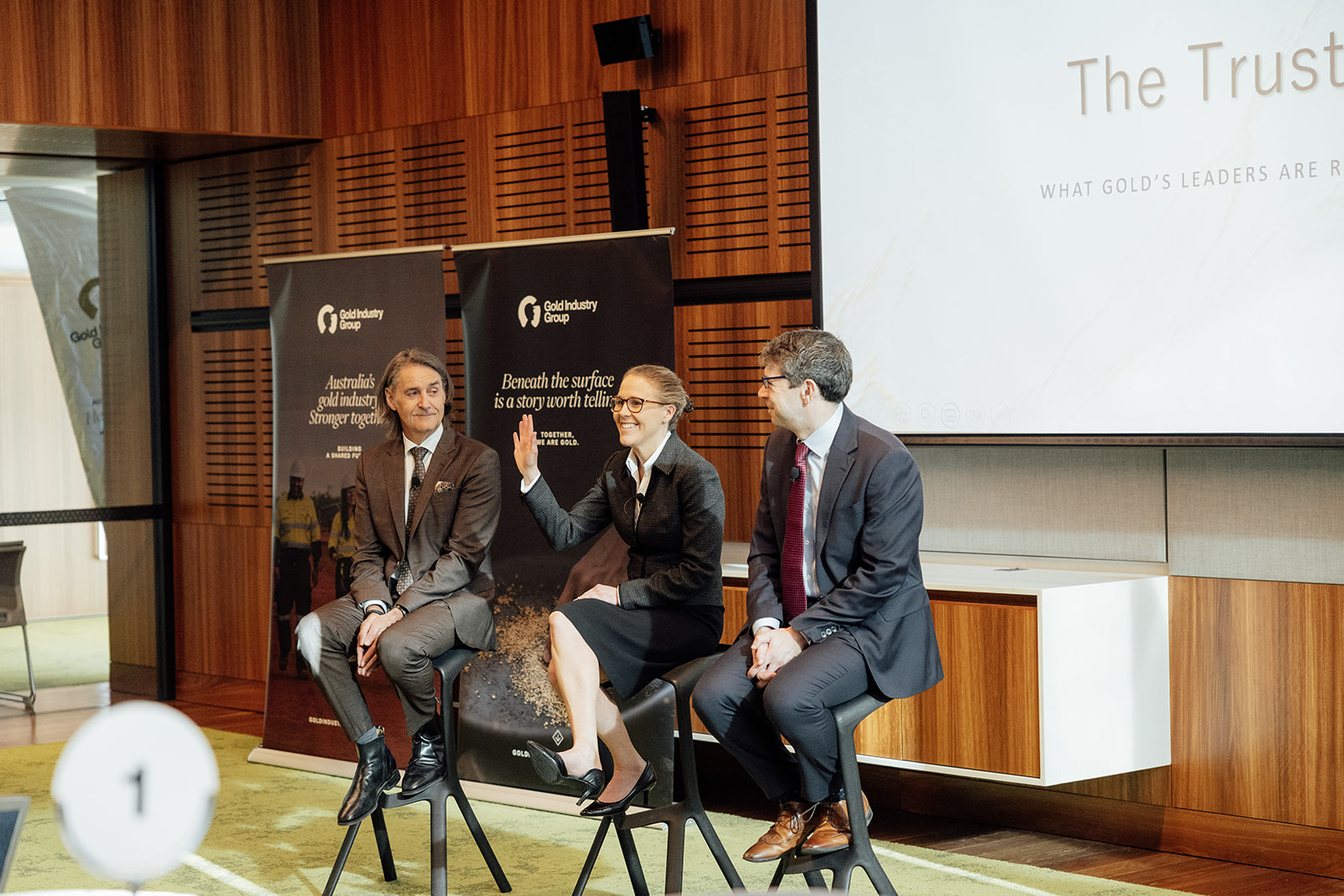
The event brought together senior leaders from across the gold sector to hear from Fran Summerhayes, Chief Financial Officer at Evolution Mining; Terry Heymann, Chief Strategy Officer at the World Gold Council; and Wayne Bramwell, Managing Director and CEO of Westgold Resources and Chair of the Gold Industry Group.
Moderated by mining journalist Kristie Batten, the discussion explored capital allocation, investor expectations, responsible production and the decisions shaping the industry’s long-term future.
Making the right decisions in a strong gold market
With gold prices remaining strong, a central theme was the importance of maintaining financial discipline and resisting the temptation to pursue growth at any cost.
Fran Summerhayes discussed the competing demands on capital, from maintaining existing operations and investing in exploration to pursuing acquisitions and returning cash to shareholders.
She stressed that growth opportunities must be assessed on their long-term value, rather than simply appearing attractive at current gold prices. Even a high-quality asset can become a poor investment if a company pays too much for it.
Wayne Bramwell offered an operational perspective, drawing on Westgold’s experience with mergers, acquisitions and divestments. The discussion highlighted the importance of knowing when to invest, when to sell and how to maintain cost discipline when strong margins can mask underlying inefficiencies.
Panellists also explored the role of technology in improving productivity and safety. Australia’s leadership in mining automation was highlighted, alongside the opportunities and challenges of introducing emerging technologies such as artificial intelligence into established operations.
Trust goes beyond financial performance
While investor confidence was a major focus, the discussion reinforced that trust extends well beyond the relationship between mining companies and shareholders.
Terry Heymann outlined the World Gold Council’s work to strengthen confidence in gold as a financial asset, from the integrity and responsible sourcing of the metal itself to the standards upheld by producers and the jurisdictions in which they operate.
The growing importance of internationally recognised mining standards was another focus, particularly their role in providing greater transparency and assurance to investors.
While Terry questioned whether responsibly produced gold would attract a significant price premium in a market governed by a global benchmark price, he emphasised that demonstrating responsible practices could increasingly influence access to investment and capital.
The conversation also examined the risks associated with high gold prices, including the growth of artisanal and small-scale mining in some parts of the world, where unsafe practices and illicit financial activity can undermine confidence in the broader industry.
Global demand and Australia’s future
Looking beyond Australia, Terry discussed the changing sources of global gold demand, including continued central bank buying, strong retail markets in India and China, and emerging opportunities for gold-backed digital financial products.
The discussion also turned to Australia’s ability to maintain its position as a leading mining jurisdiction.
During the audience discussion, David Parker from the Minerals Council of Australia raised concerns about the tax treatment of mineral exploration and the potential consequences for investment in future discoveries.
Wayne echoed these concerns, pointing to declining gold exploration activity in Western Australia and the importance of maintaining a strong pipeline of new projects.
Together, these issues highlighted the need to balance the opportunities of today’s strong market with decisions that will sustain Australia’s gold industry in the years ahead.
Looking beyond the gold price
Throughout the discussion, one message remained clear: while strong prices create opportunities, they are no substitute for sound decisions, responsible practices and the trust of investors, communities and governments.
The Gold Industry Group thanks Fran, Terry and Wayne for sharing their perspectives, Kristie Batten for moderating the discussion, and all members, partners and guests who joined us for another successful IMARC Leadership Breakfast.
Photo Gallery
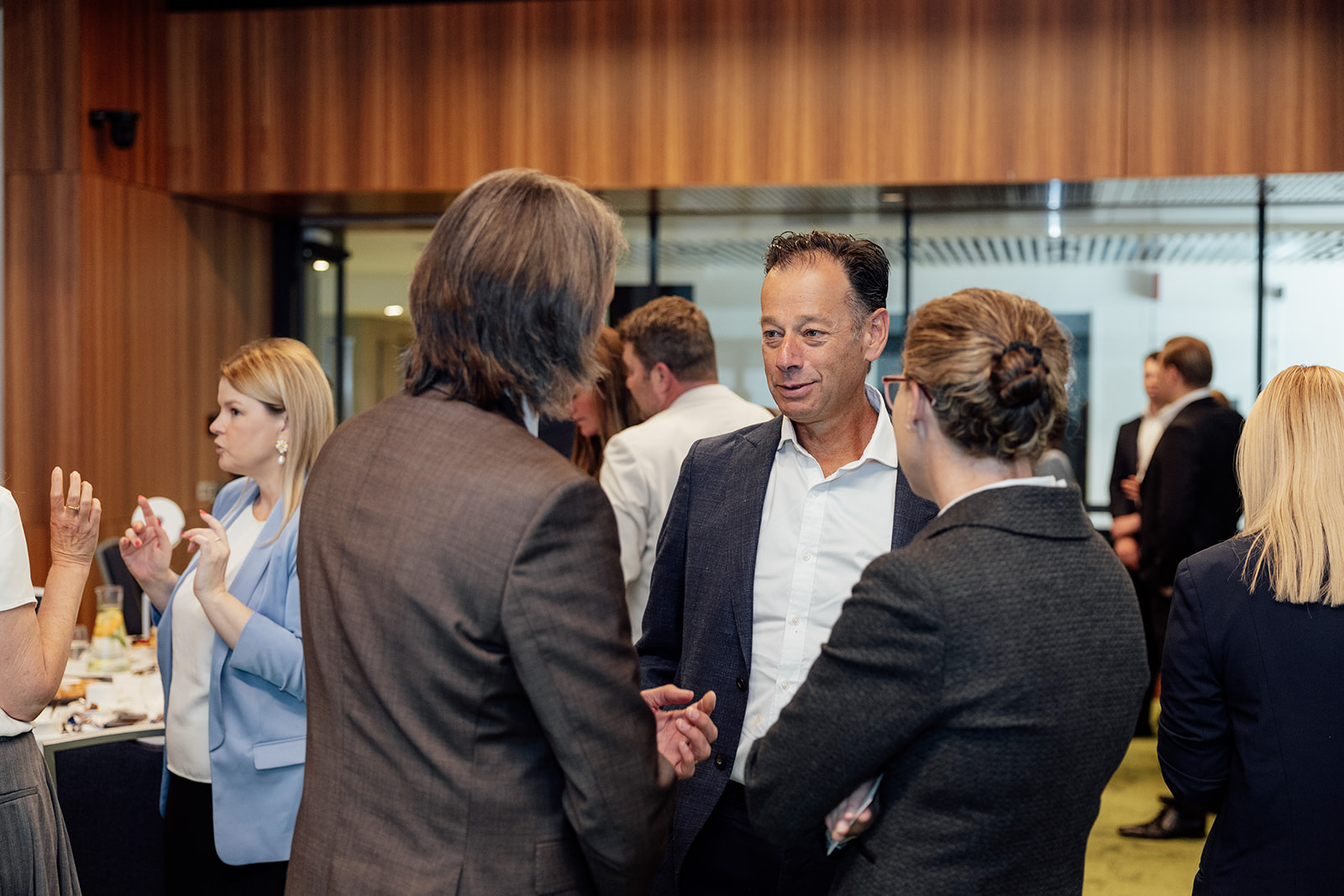
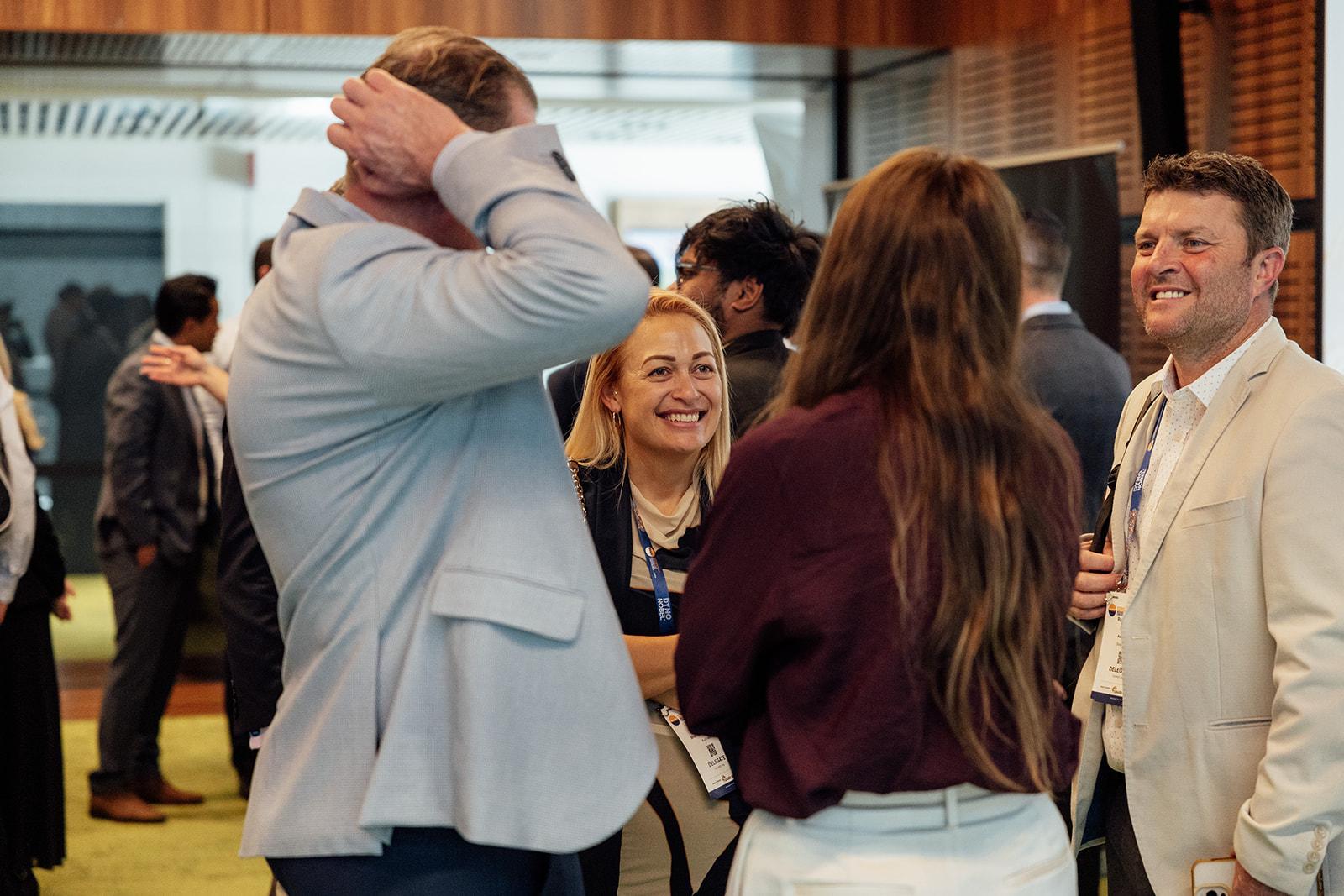
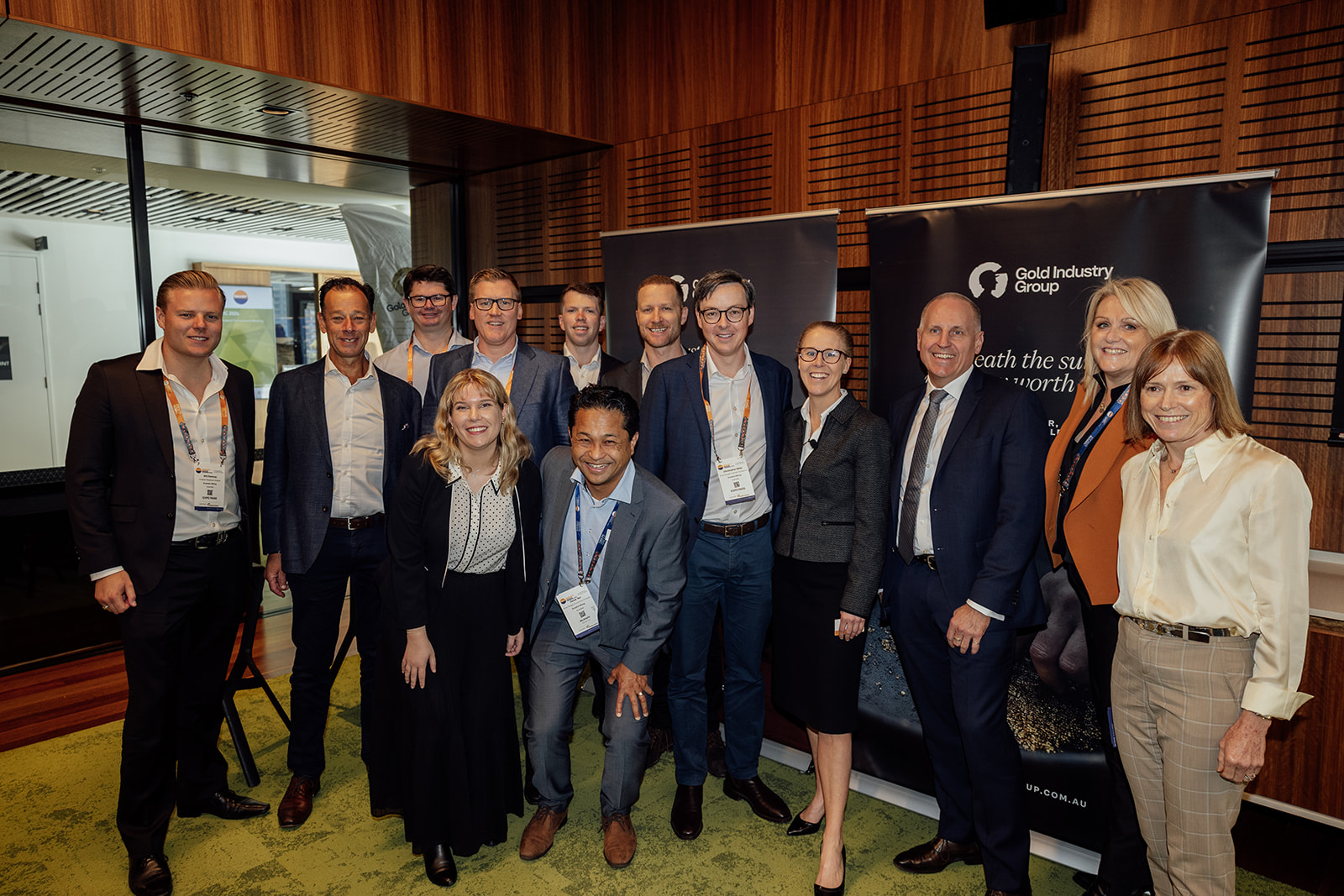
-
GIG
From Ground to Gold: Industry leaders explore the journey from discovery to production
The Gold Industry Group’s From Ground to Gold Leadership Breakfast brought together industry leaders at the Australian Gold Conference in… -
Member Feature
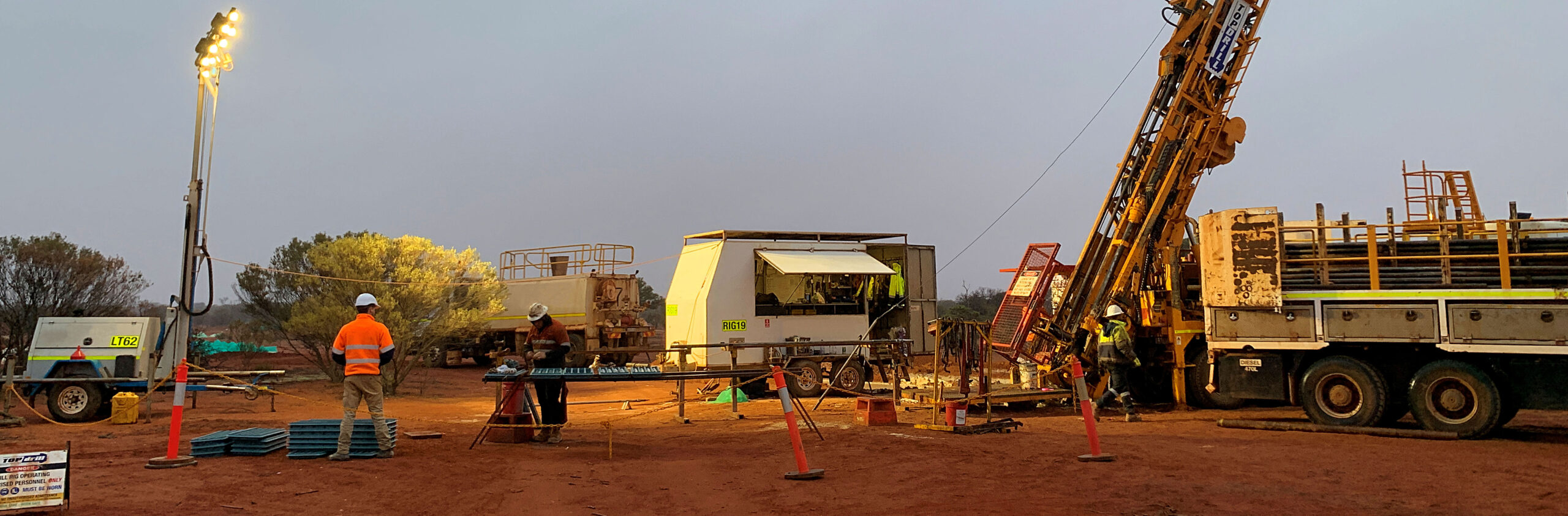
Four years to one million ounces: Great Boulder Resources’ Side Well story
In December 2025, Great Boulder Resources reached a major milestone at its Side Well Gold Project, establishing a resource base… -
Member Feature
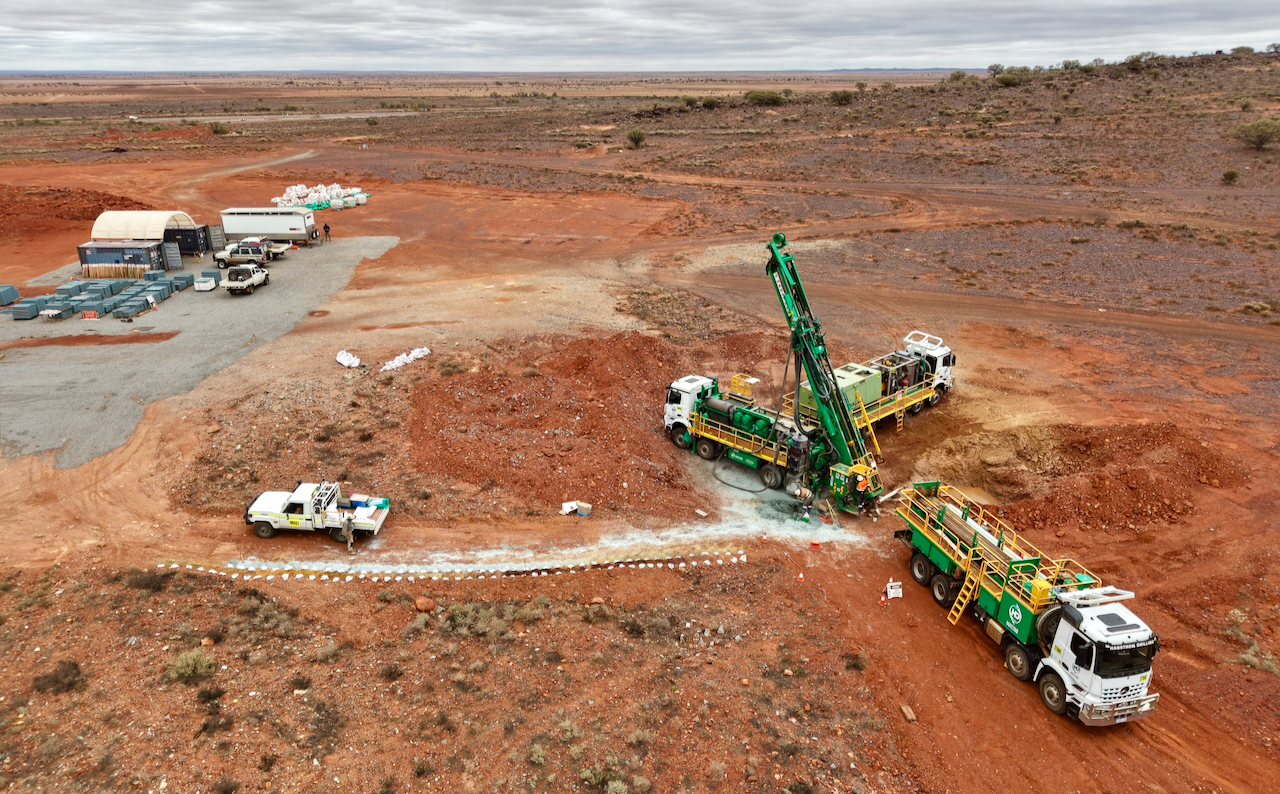
How one discovery is reshaping Caprice Resources’ Island Gold story
When Caprice Resources made its discovery at Vadrians, it gave the company a clear focal point at its flagship Island… -
GIG
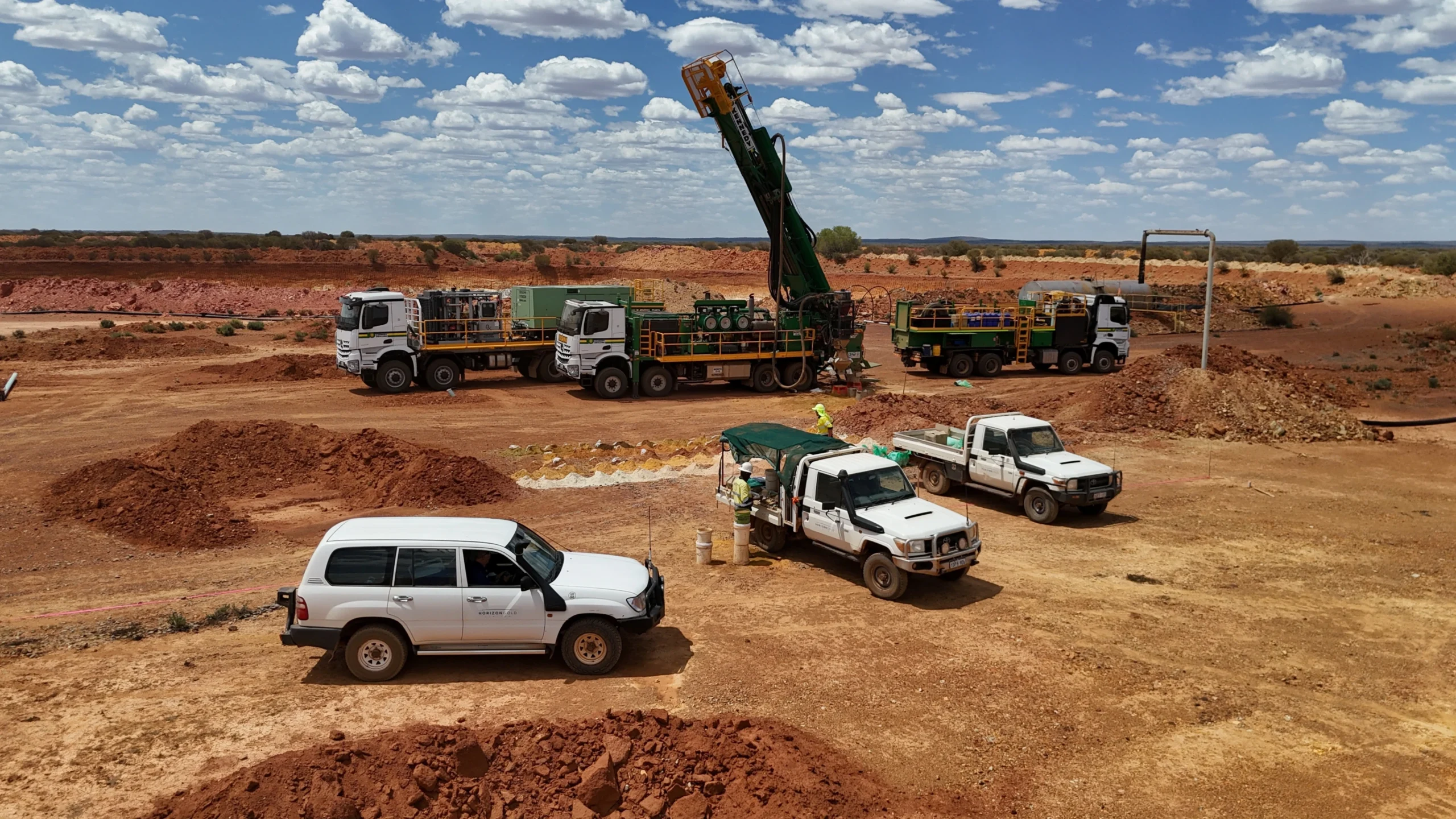
A pathway to more: Horizon Gold’s Gum Creek story
Rather than beginning with a Greenfields discovery, Horizon is working with a proven gold system that has an extensive history… -
GIG
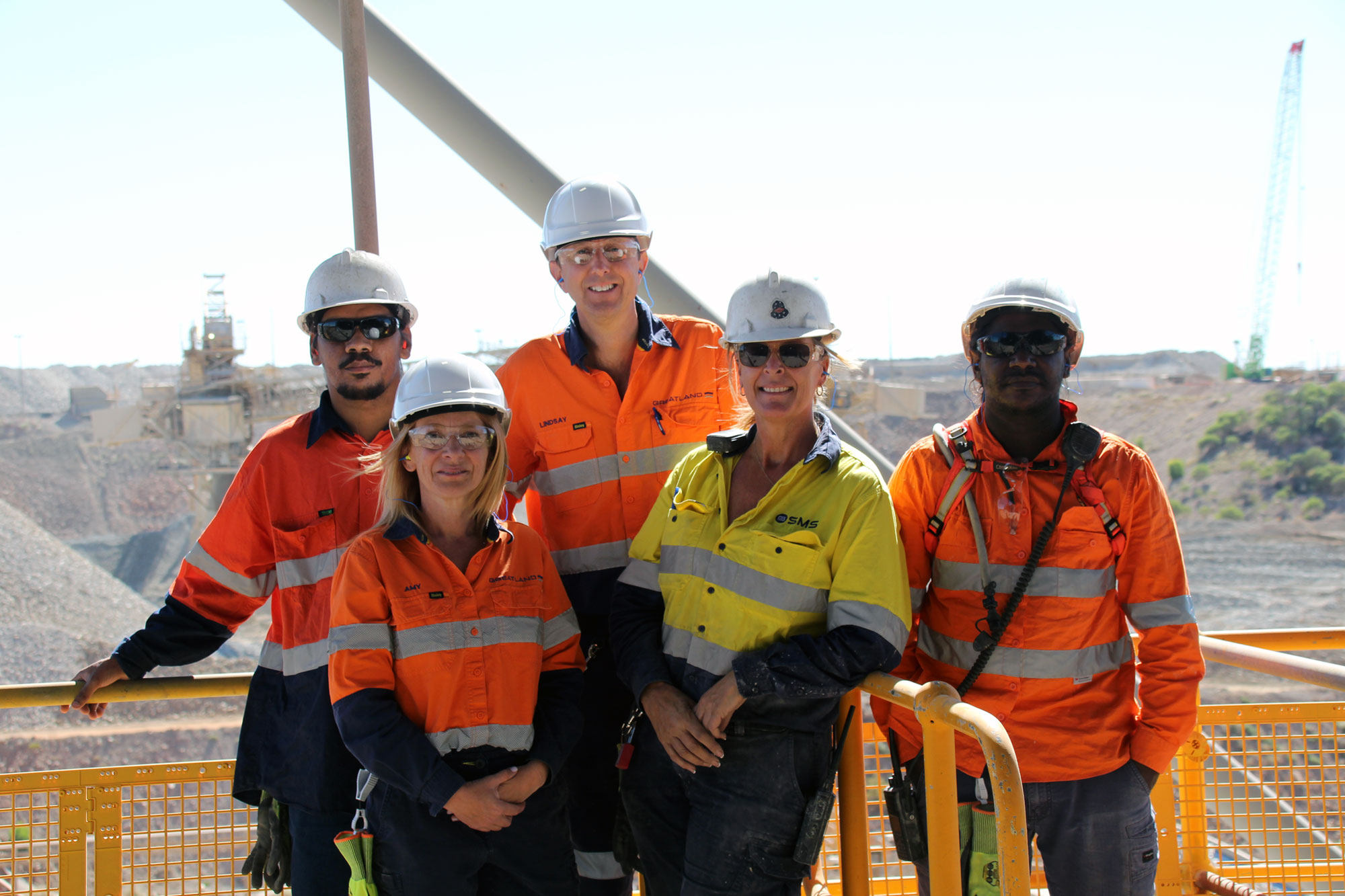
Building on an Australian icon: Greatland’s next chapter at Telfer
Greatland is building on that legacy while developing the nearby Havieron project, creating a long-term future for one of Australia’s…