
Breakfast with the Minister – A valuable industry conversation
The Gold Industry Group hosted the Honourable David Michael MLA, Minister for Mines and Petroleum, Finance, Electoral Affairs, Goldfields-Esperance, and Leader of the House, for an exclusive member breakfast at Fraser’s Restaurant.
More than 130 members attended, representing a true cross-section of the gold sector. Explorers, developers, producers, refiners and service providers were all in the room. Bringing a broad range of perspectives and creating a strong platform for open and constructive discussion.

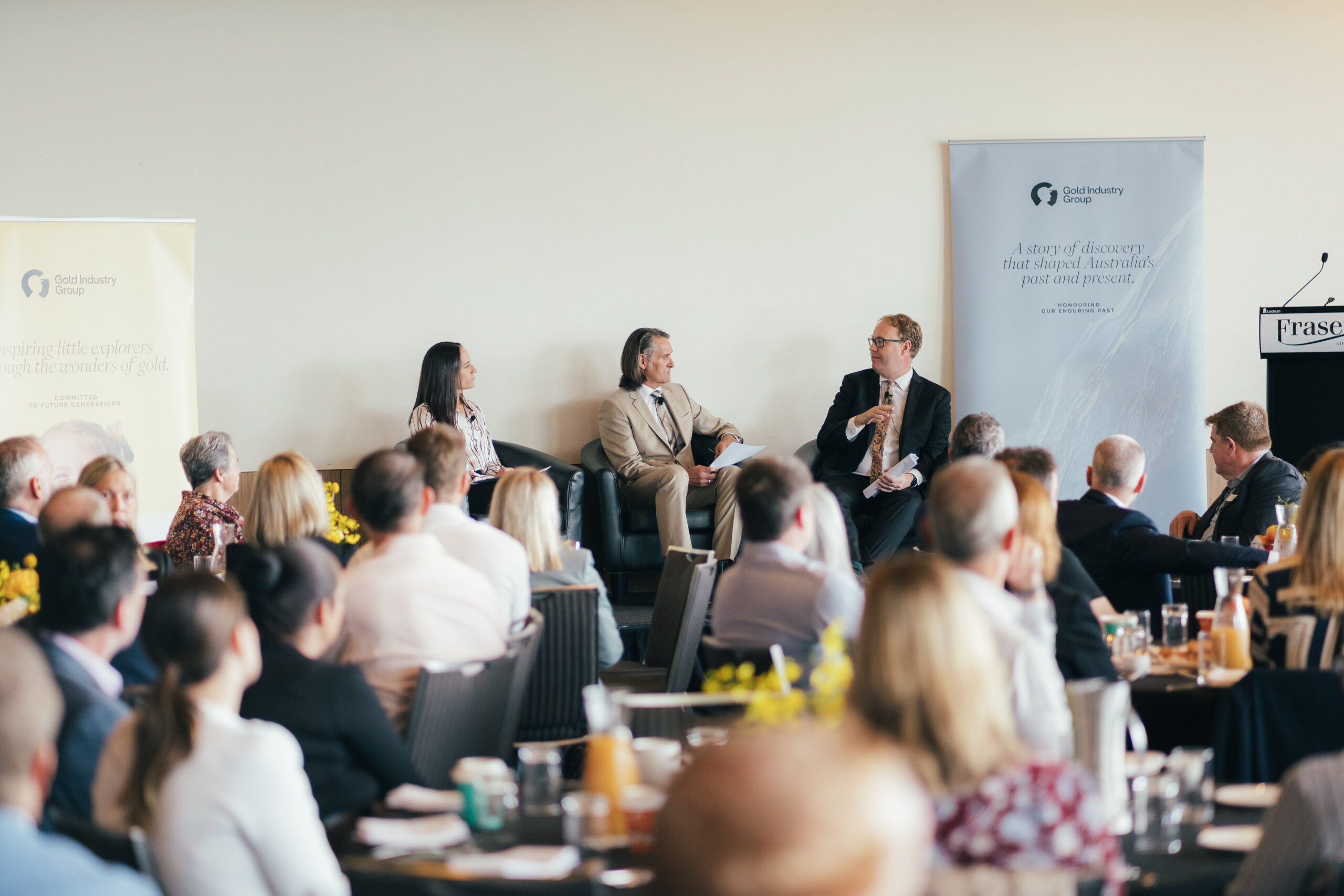
Gold Industry Group Breakfast with the Honourable David Michael MLA, Minister for Mines and Petroleum, Finance, Electoral Affairs, Goldfields-Esperance, and Leader of the House
The session was designed to ensure members’ voices were heard, taking the form of an open Q&A where attendees could raise the issues and opportunities most relevant to their businesses and the broader sector. The discussion was direct, considered and highly engaged.
The starting topic was the sector’s economic contribution. The Minister noted that The Perth Mint exports alone are on track to reach $50 billion this year, which would place it among Australia’s top individual exporters if it were a standalone entity. More broadly, we know that the gold sector contributes more than $20 billion annually to Western Australia, including $2.5 billion in royalties and taxes, and supports more than 110,000 jobs.

Key Topics Discussed
Exploration and Approvals
Exploration and approvals, an issue that consistently generates strong discussion across the sector, were addressed in detail. The Minister outlined the work already underway to alleviate challenges, including the Fast-tracking Mining Approvals Program, the rollout of Resources Online, the Eligible Mining Activity pathway for low-impact exploration, and the implementation of the Vogel-Macfarlane Review recommendations.
The Minister was clear and open about where improvement is still needed, particularly the ageing tenements system and the need for stronger business intelligence and internal dashboards to identify and clear bottlenecks. Progress is being made, with further work ongoing.
The Exploration Incentive Scheme was highlighted as a point of pride. Since 2009, $250 million has been invested in co-funded drilling across successive state governments. New EIS rounds were announced on the same day as the breakfast, including an additional $3 million in fuel cost support grants and a six-month extension for recipients of rounds 32 and 33 requiring more time to complete their work.
Investment and Competitiveness
On investment and competitiveness, Rebecca Ciotti raised WA’s performance in the Fraser Institute rankings, noting the movement from 4th to 17th in 2024 and the recovery to 6th in 2025. The Minister acknowledged the importance of the benchmark and noted that the 2024 decline likely aligned with uncertainty around federal nature-positive legislation, when investor sentiment was already unsettled.
The Minister addressed Victoria’s recent positioning as open for gold investment. Competitive pressure from other jurisdictions is clearly recognised.

Fuel Security
Fuel security has become a more prominent concern in recent months. The Minister provided a frank update, noting that WA is currently paying a premium for diesel due to global volatility, but that supply is being actively managed.
Measures include ensuring regional supply to independent operators, direct diesel purchases for the Wyndham port and Esperance, and establishing a ministerial working group to coordinate the response. The Minister made it clear that WA currently holds more diesel than at the same point last year. While cost pressures remain significant, supply risk is being addressed at the highest levels.
Energy and Water
On energy and water, the Minister was clear about the scale of the challenge.
In the Goldfields, storm damage to key transmission infrastructure earlier this year highlighted network vulnerability. Horizon and Western Power are progressing longer-term solutions. The $150 million commitment to a 50-megawatt vanadium flow battery was outlined as a step towards improving grid stability while supporting the development of a local battery industry. It was emphasised that public ownership of energy utilities provides WA with greater control over price and supply stability than is available in some eastern states.
On water, the outlook is straightforward. The climate is drying, groundwater reserves are declining, and the half-billion-dollar investment to expand the Goldfields and Agricultural Water Supply Scheme is an important first step. Industry will need to play a role in developing its own solutions alongside government investment.
ESG
The bilateral environmental approvals MOU between Premier Cook and Federal Environment Minister Murray Watt, signed the day before the breakfast, was also discussed. The intent is a single approval process managed by WA’s EPA that satisfies both state and federal requirements, removing duplication that has long frustrated industry.
The Minister expressed strong support for this direction and confidence in his working relationship with the federal minister. Reinforcing the need to maintain environmental integrity, as it underpins the industry’s social licence and ESG standing. Further detail is still to be confirmed at the federal level. On Aboriginal cultural heritage, the Kelly Review has been submitted to the relevant minister, with further updates to come.

Conclusion
The morning reinforced a clear message – tangible outcomes are being delivered, and the minister is engaged and accessible. At the same time, there is more work to do. Core productivity challenges remain, including approval timelines, energy costs and reliability, water security and land access.
There is also a need for greater recognition, at a broader policy level, of the cost pressures, productivity impacts, and sovereign risk considerations currently facing the sector.
Quality of the discussion sent a strong signal about the professionalism and commitment of this industry and its members to work with the government to enhance the gold sector’s productivity and competitiveness.
These conversations are critical in building the relationships that matter, and GIG will be at the front of those conversations moving forward.
Photo Gallery








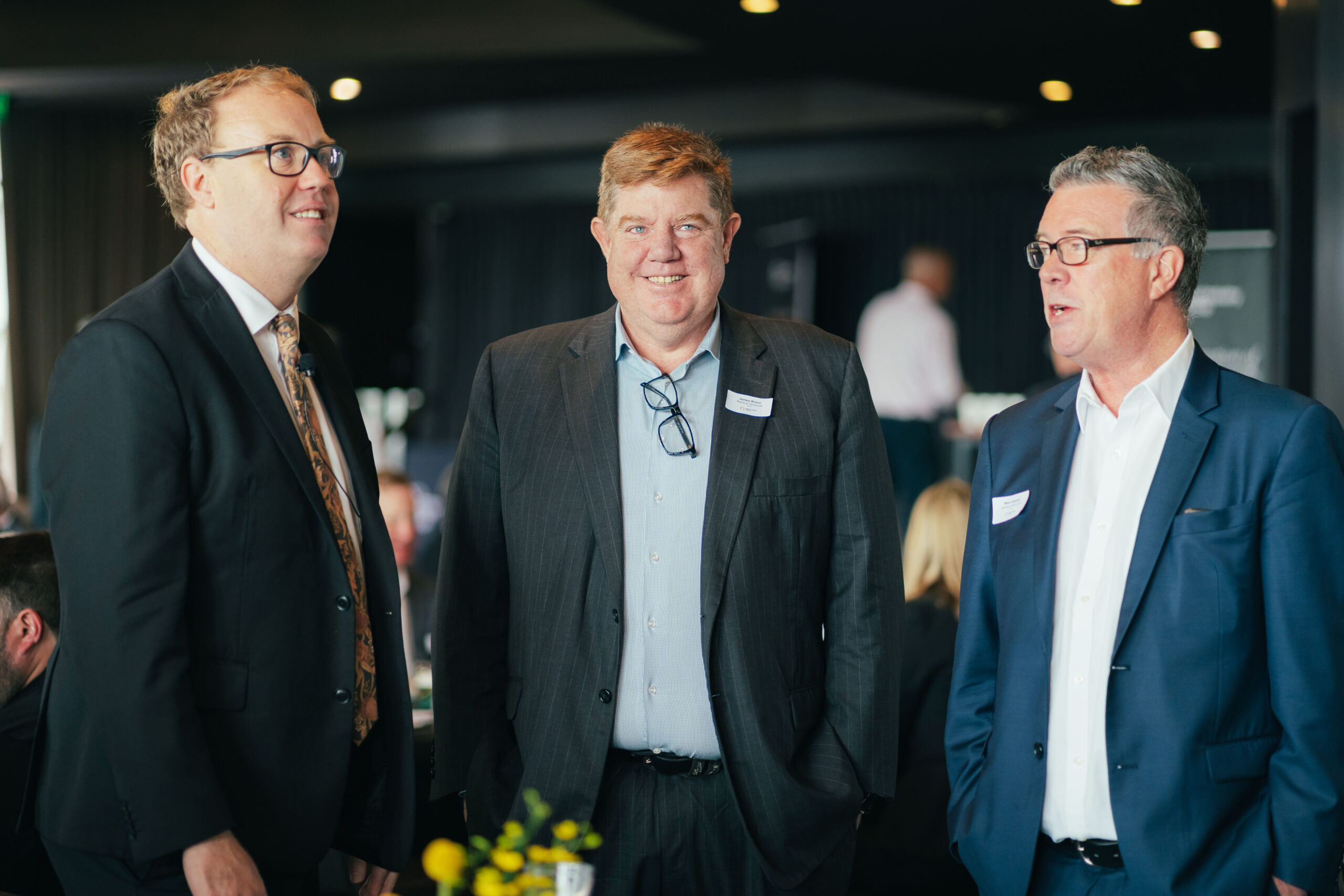


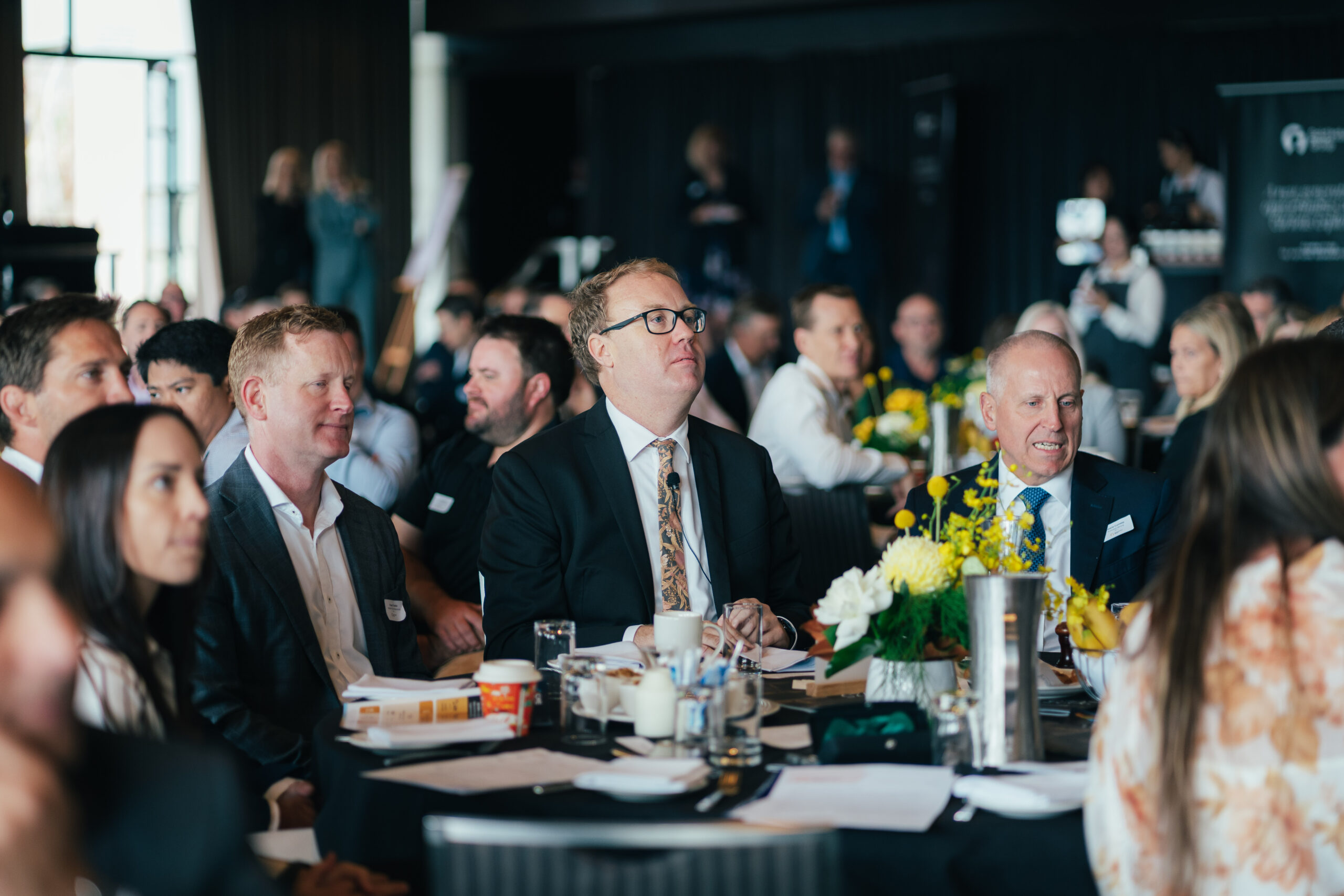


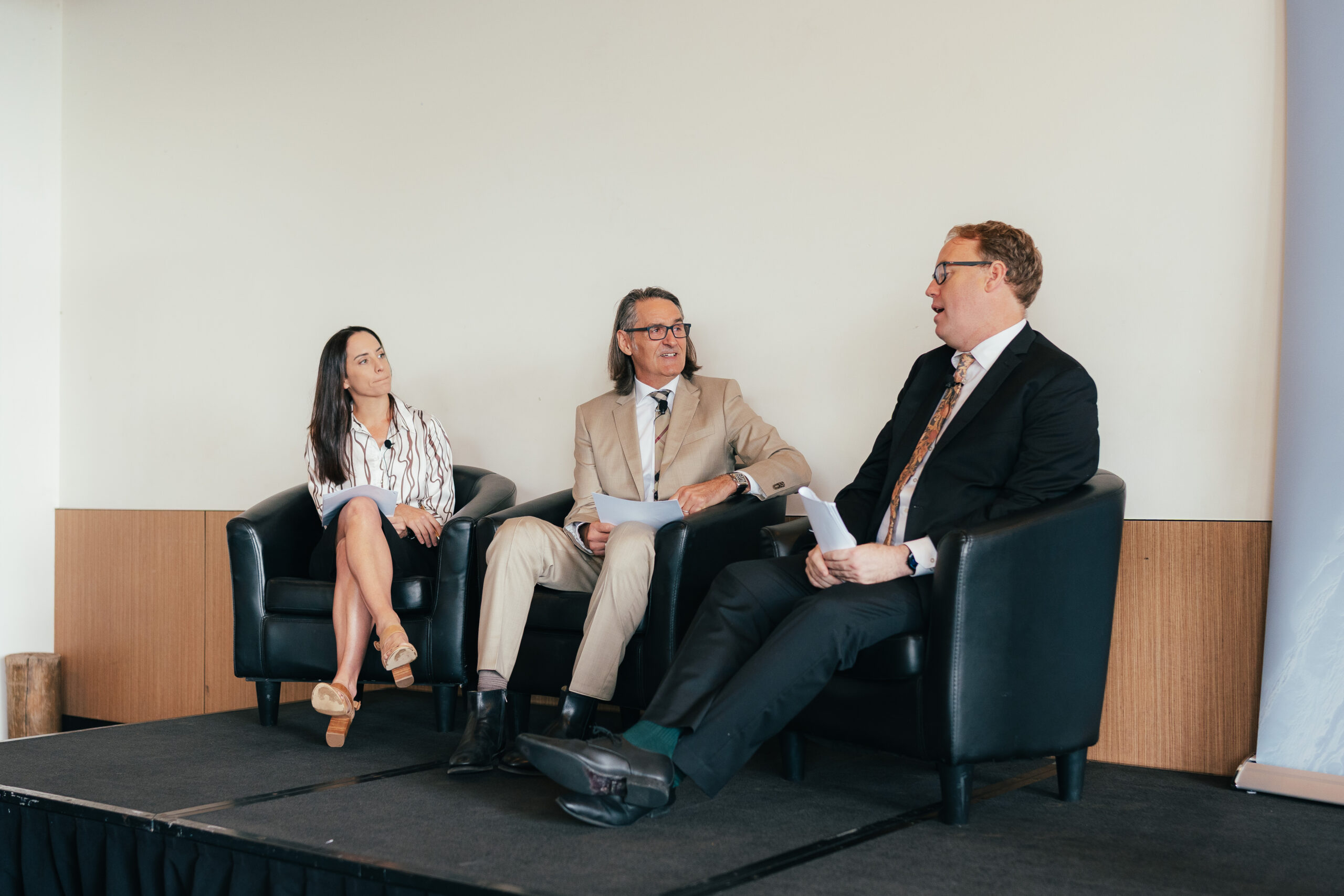


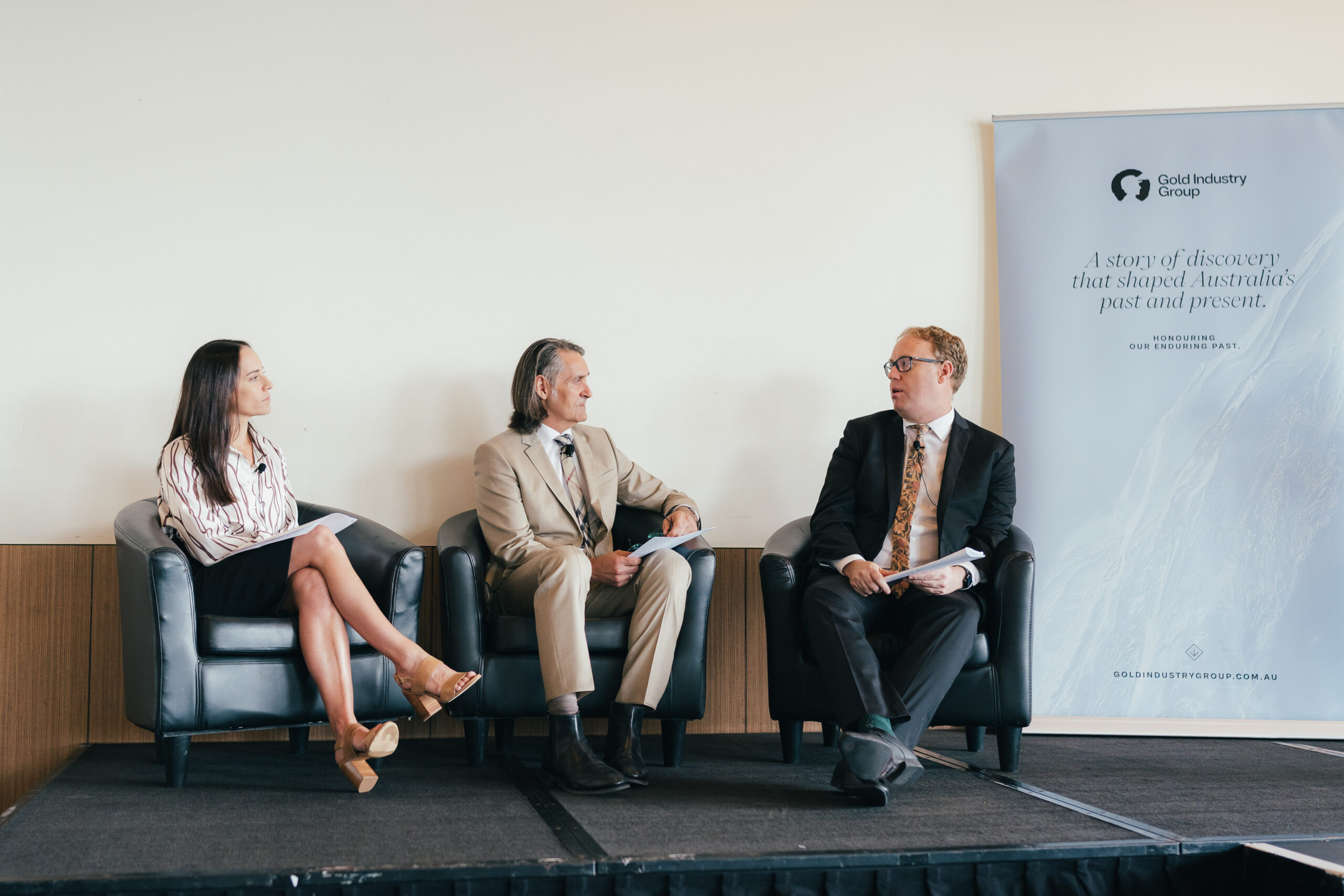
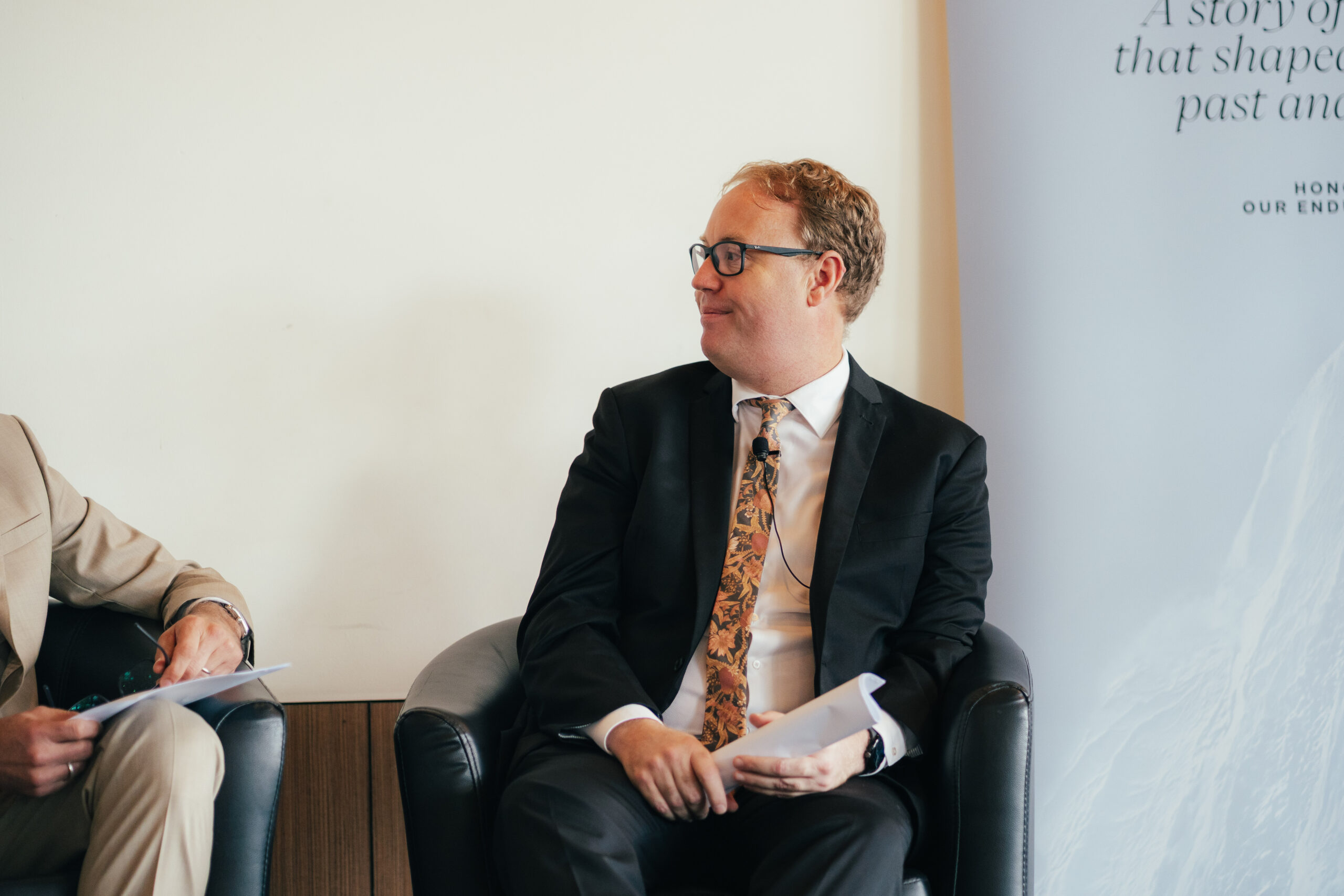



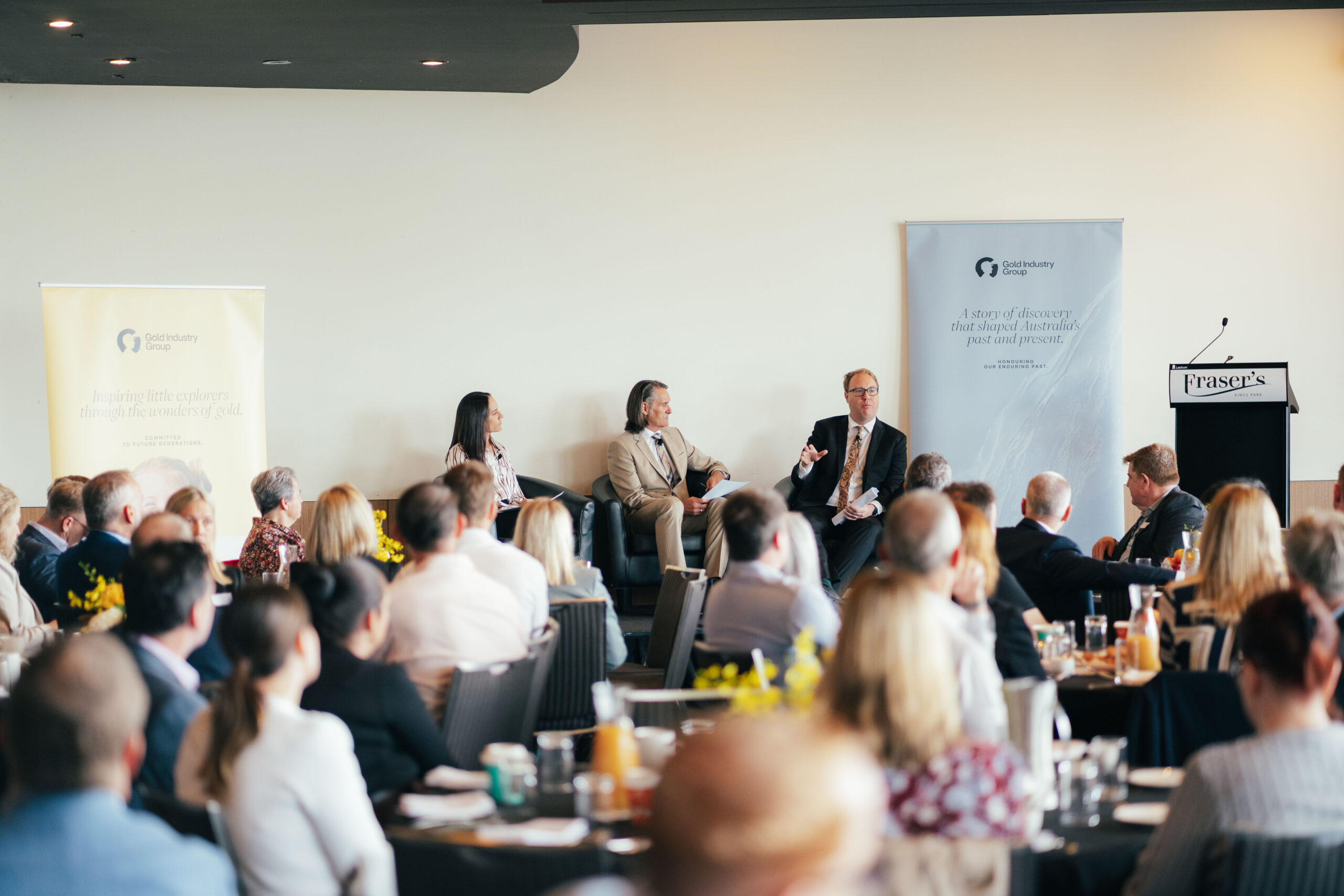


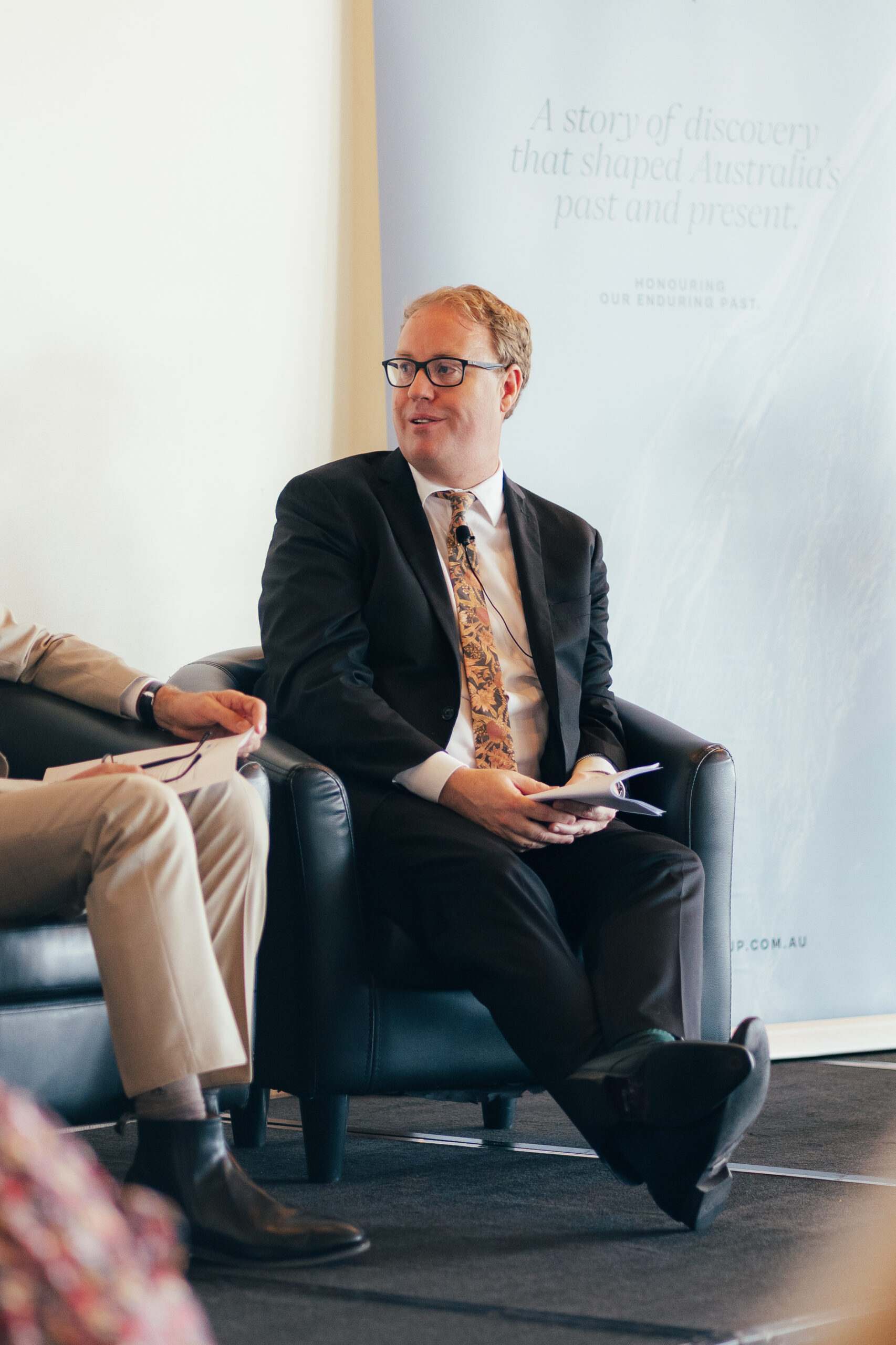


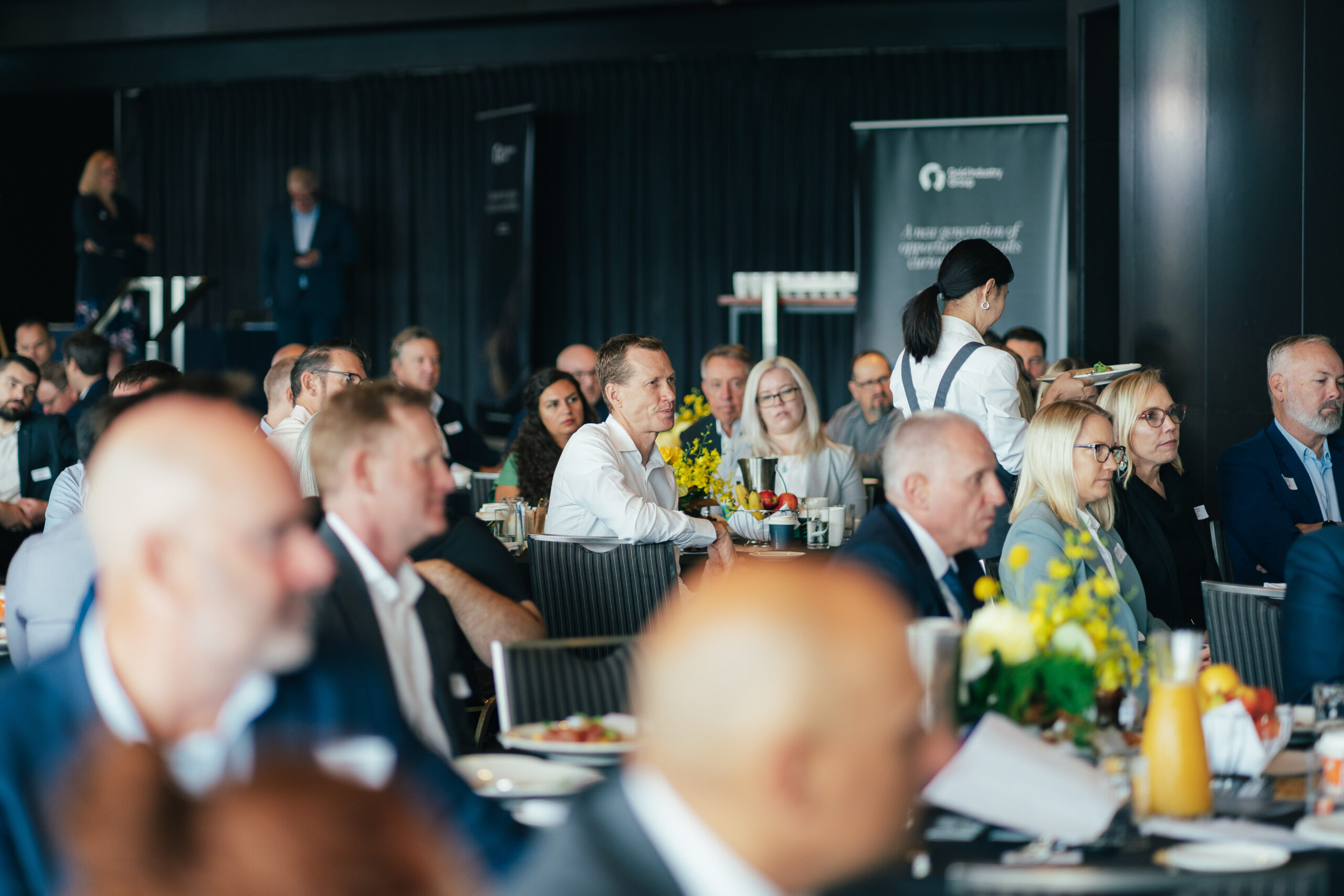








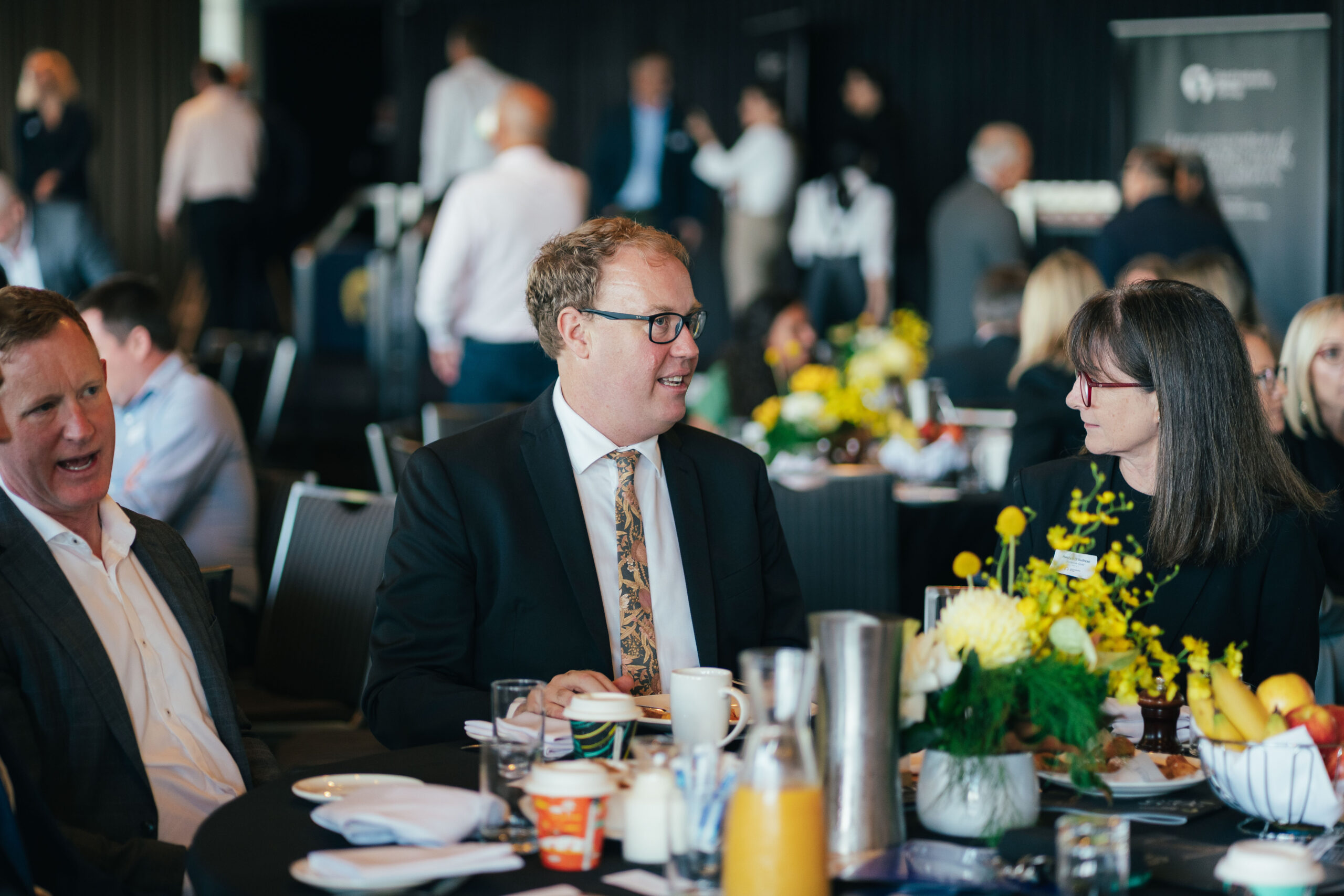


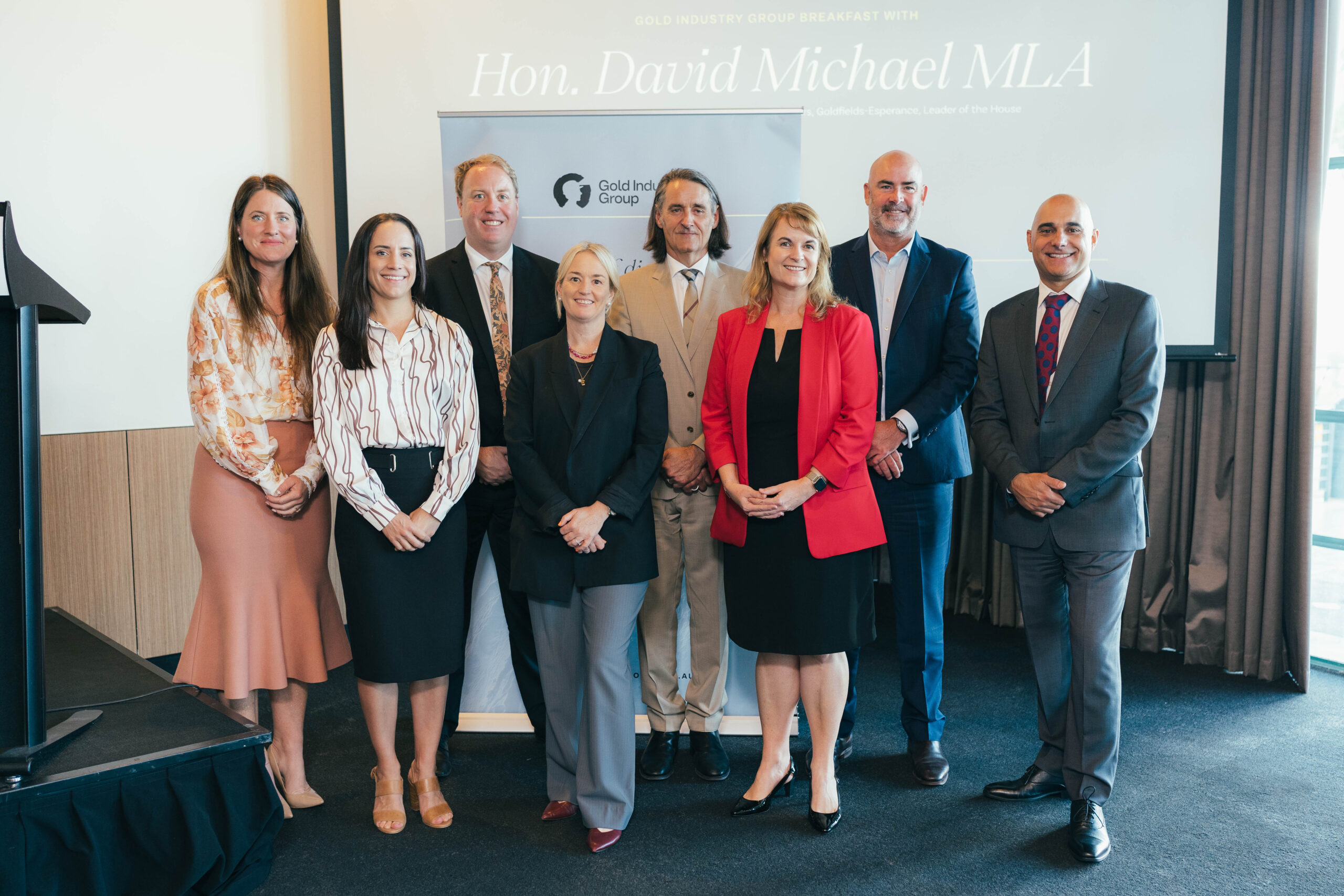
Table of Contents
-
Member Feature
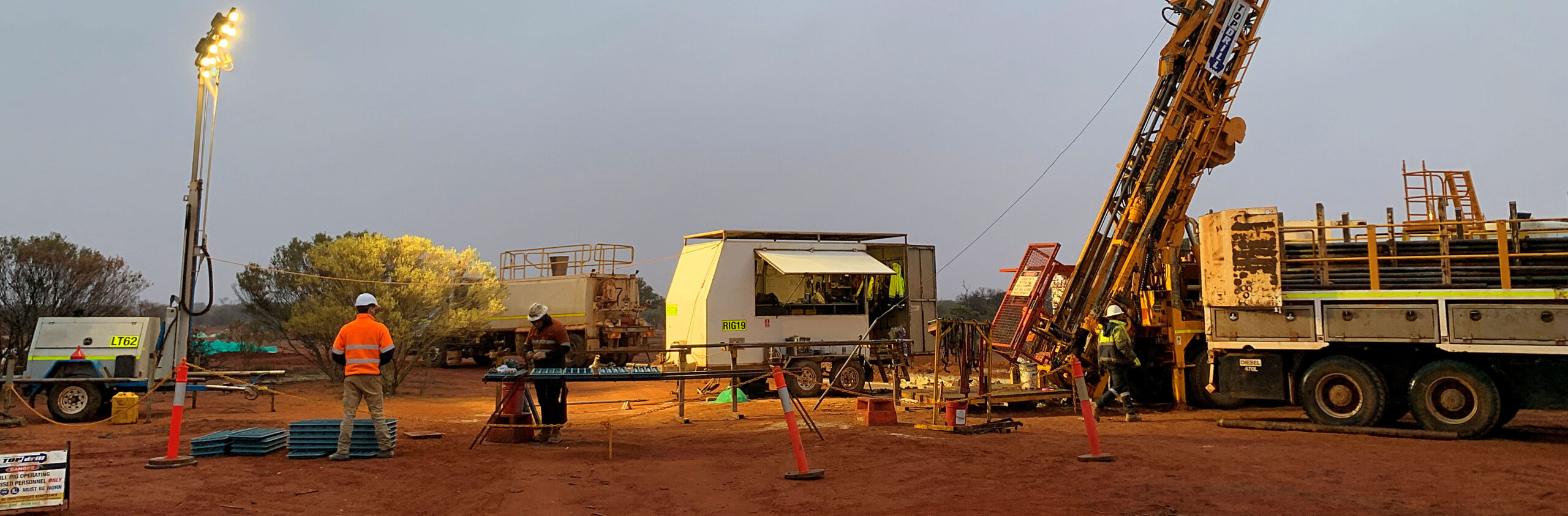
Four years to one million ounces: Great Boulder Resources’ Side Well story
In December 2025, Great Boulder Resources reached a major milestone at its Side Well Gold Project, establishing a resource base… -
Member Feature
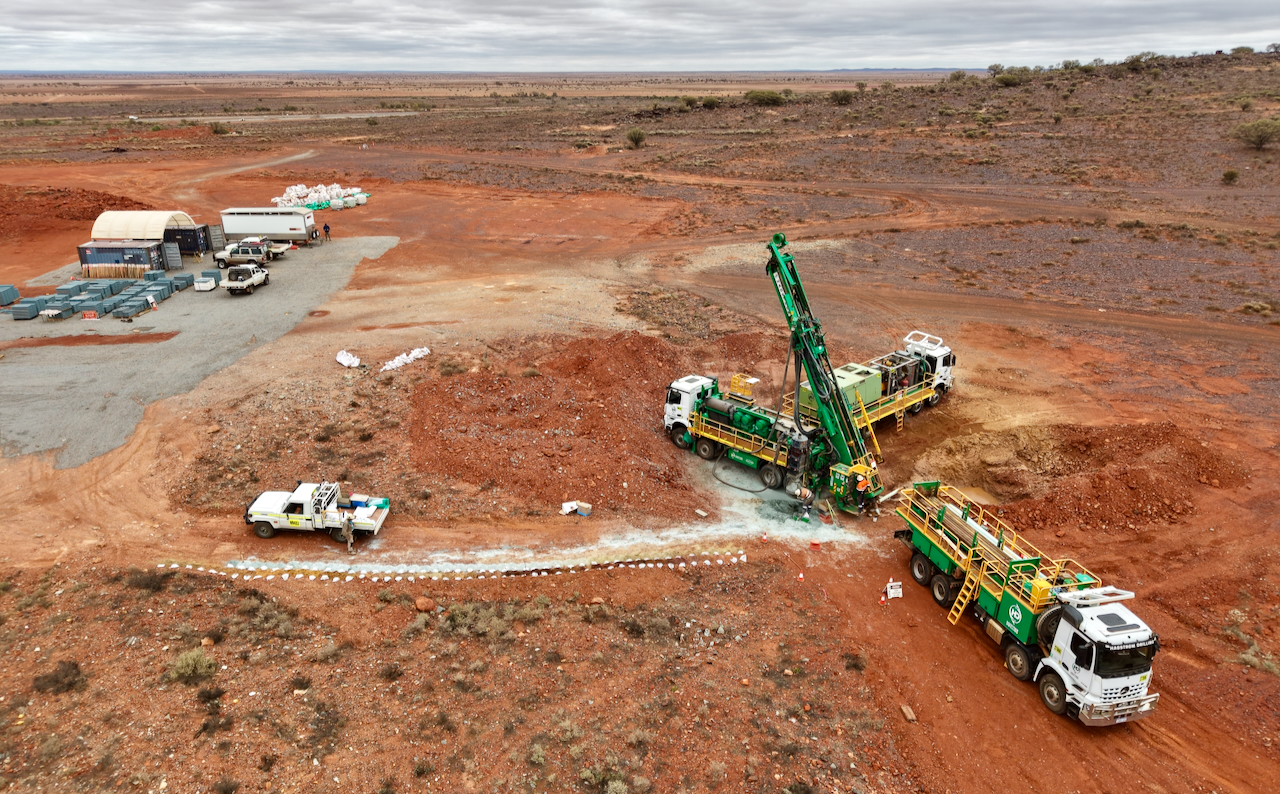
How one discovery is reshaping Caprice Resources’ Island Gold story
When Caprice Resources made its discovery at Vadrians, it gave the company a clear focal point at its flagship Island… -
GIG
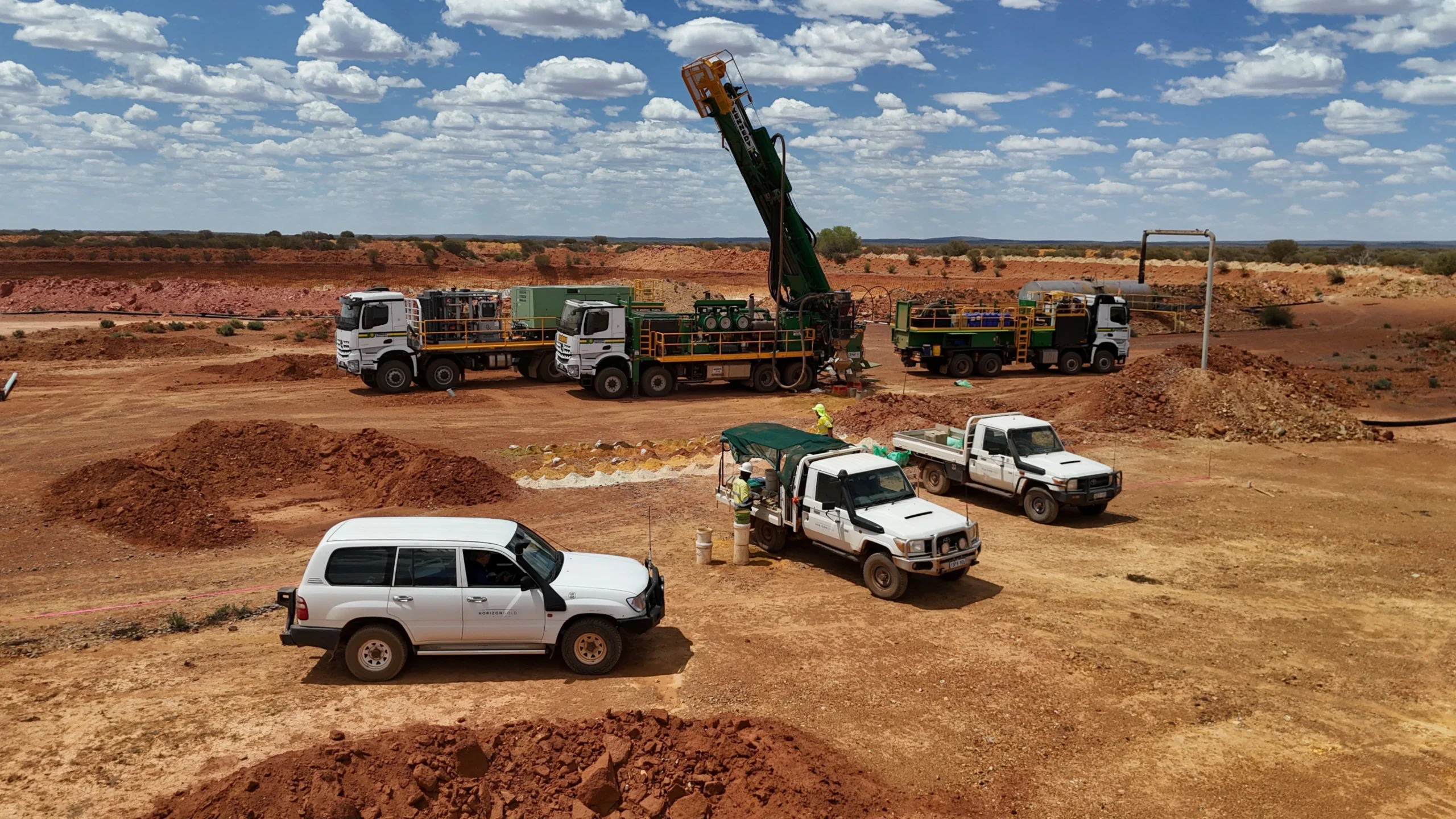
A pathway to more: Horizon Gold’s Gum Creek story
Rather than beginning with a Greenfields discovery, Horizon is working with a proven gold system that has an extensive history… -
GIG
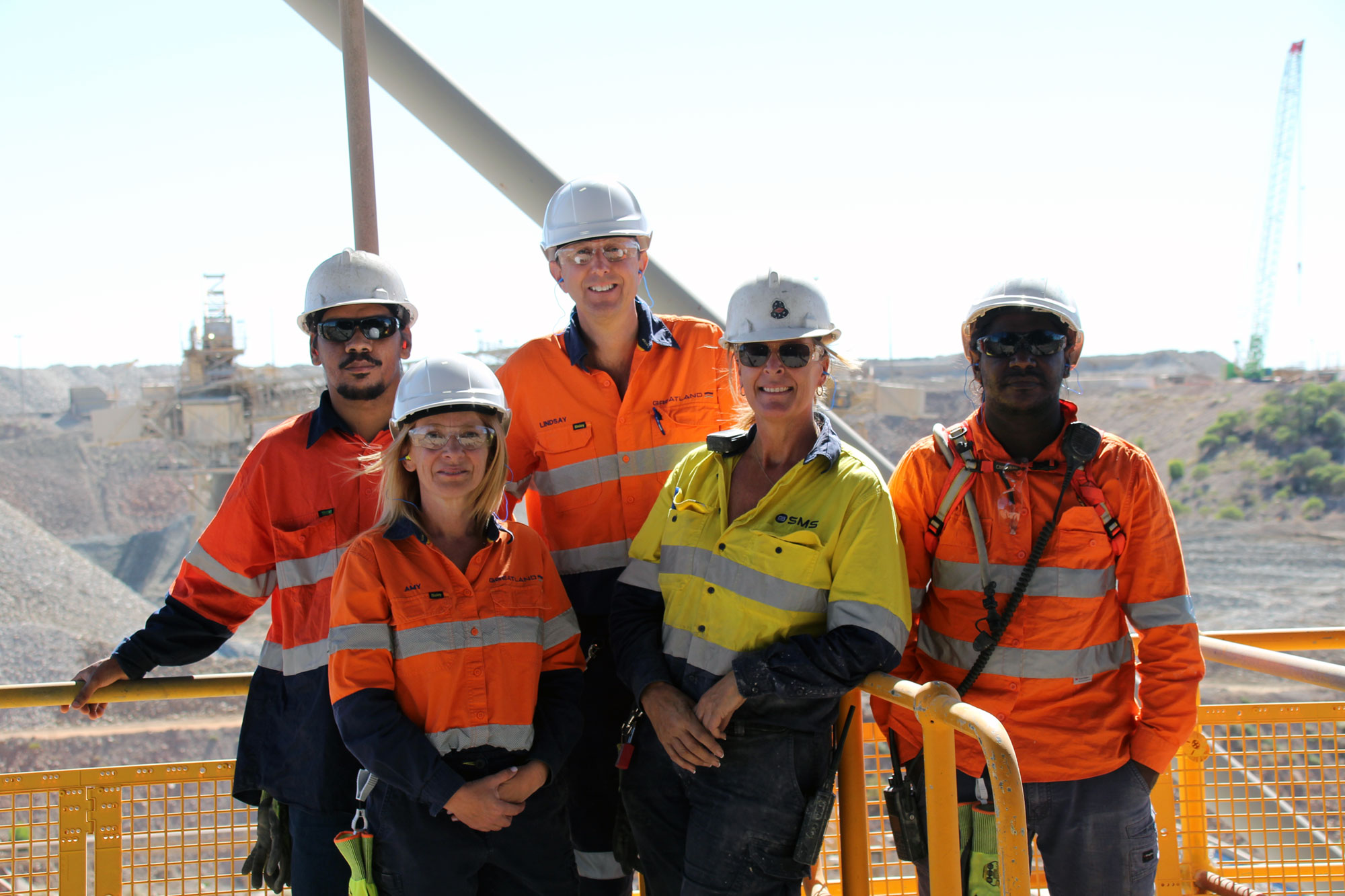
Building on an Australian icon: Greatland’s next chapter at Telfer
Greatland is building on that legacy while developing the nearby Havieron project, creating a long-term future for one of Australia’s… -
GIG
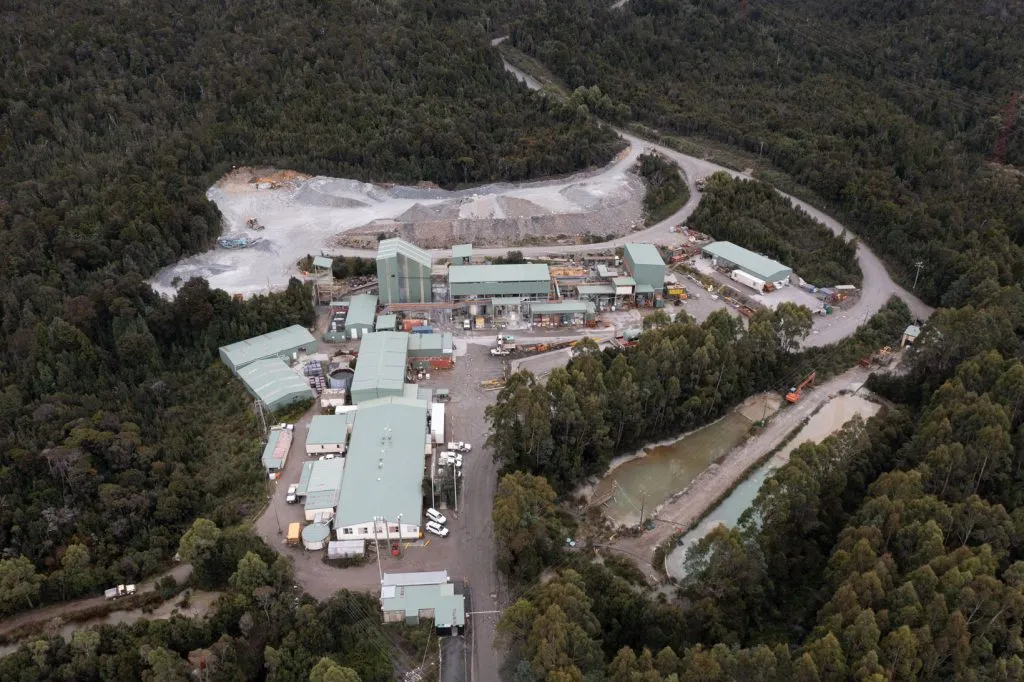
From Henty to Maldon: Kaiser Reef’s eastern states growth story
Kaiser Reef is building its future across two of eastern Australia’s historic gold regions.