
From Classroom to Career: Building Gold Industry Pathways
If students can’t see the pathway, they won’t choose it. A strong gold industry starts with a strong talent pipeline. Connecting students with real career pathways early helps build awareness, develop skills and support long-term growth.

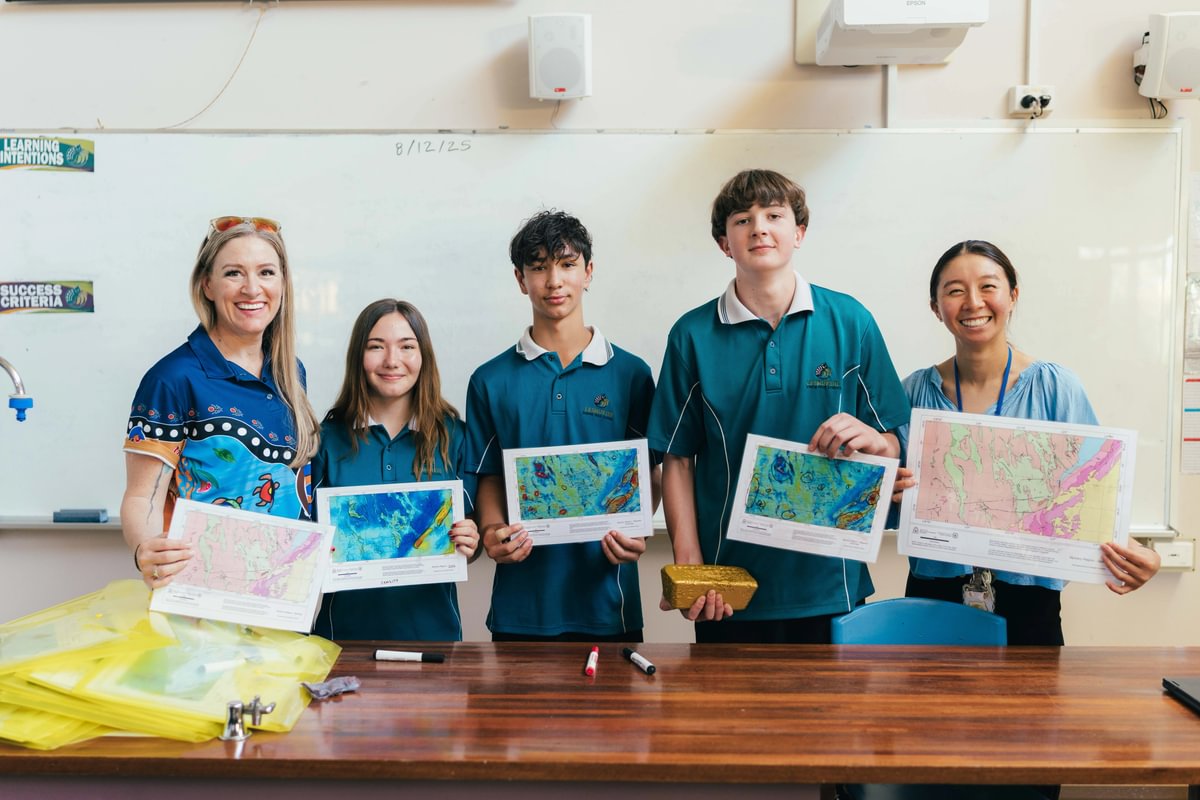
Connecting Students, Education and Industry
The gold industry offers a wide range of career opportunities, yet many students are not fully aware of the roles available or how to access them. Building that awareness earlier helps students make more informed decisions, while supporting a stronger talent pipeline for the future of the industry.
The question of “what do you want to be when you grow up?” can feel full on for many. Without a clear understanding of the opportunities in gold, it’s often assumed that careers are limited to mine sites or FIFO work. In reality, the industry offers diverse pathways across a range of skills, interests and lifestyles, including roles in regional communities and city-based positions.
Early career awareness helps students connect their interests and strengths to real-world opportunities. The gold industry relies on a broad mix of roles across technology, safety, environment, engineering, trades, communications, community engagement and finance. It takes a wide range of skills to keep the industry moving.
This is why introducing pathways early, particularly during subject selection, is so important. Subjects like maths, science, geography, engineering and digital technologies help keep options open, while VET and TAFE pathways provide strong entry points into the industry.
A strong future workforce relies on schools, universities, training providers and industry working together. Schools build foundational knowledge, further education develops skills, and industry brings it to life through real experiences, mentoring and career exposure.
When students can connect classroom learning to real careers, those opportunities become more tangible. Without that visibility, they are less likely to see themselves in the sector.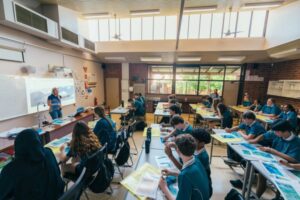
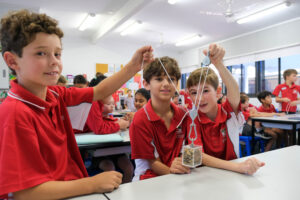
Through the National Gold Education Program, there is a clear opportunity to showcase the wide range of careers available and the skills the industry needs. Primary sessions spark early interest, while secondary sessions help students link classroom learning to industry applications. Career presentations then give students direct access to industry professionals, offering real insights and career advice.
This kind of engagement supports both students and the long-term success of the industry. Building a strong pipeline of future talent strengthens workforce capability, supports regional communities and ensures continued growth.
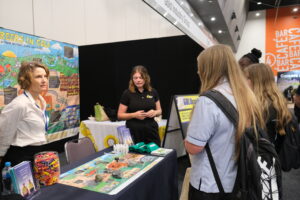
Building the future workforce starts well before recruitment. By increasing awareness of pathways into gold, the industry can open doors for the next generation and support long-term sustainability.
Table of Contents
-
Member Feature
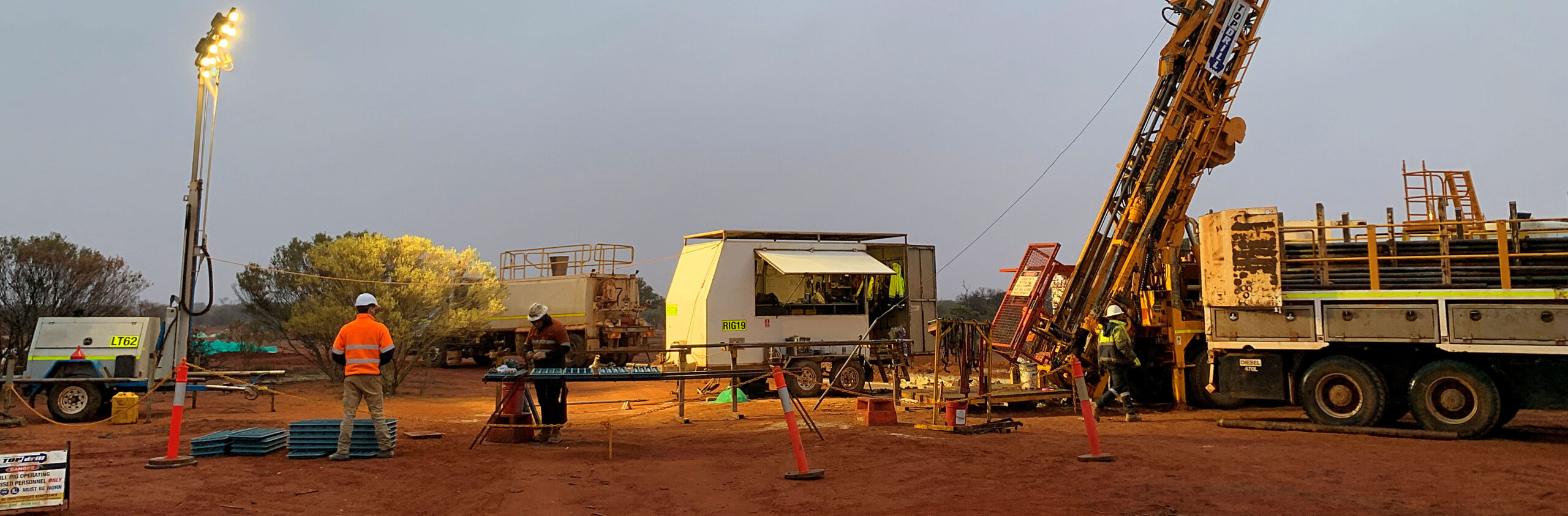
Four years to one million ounces: Great Boulder Resources’ Side Well story
In December 2025, Great Boulder Resources reached a major milestone at its Side Well Gold Project, establishing a resource base… -
Member Feature
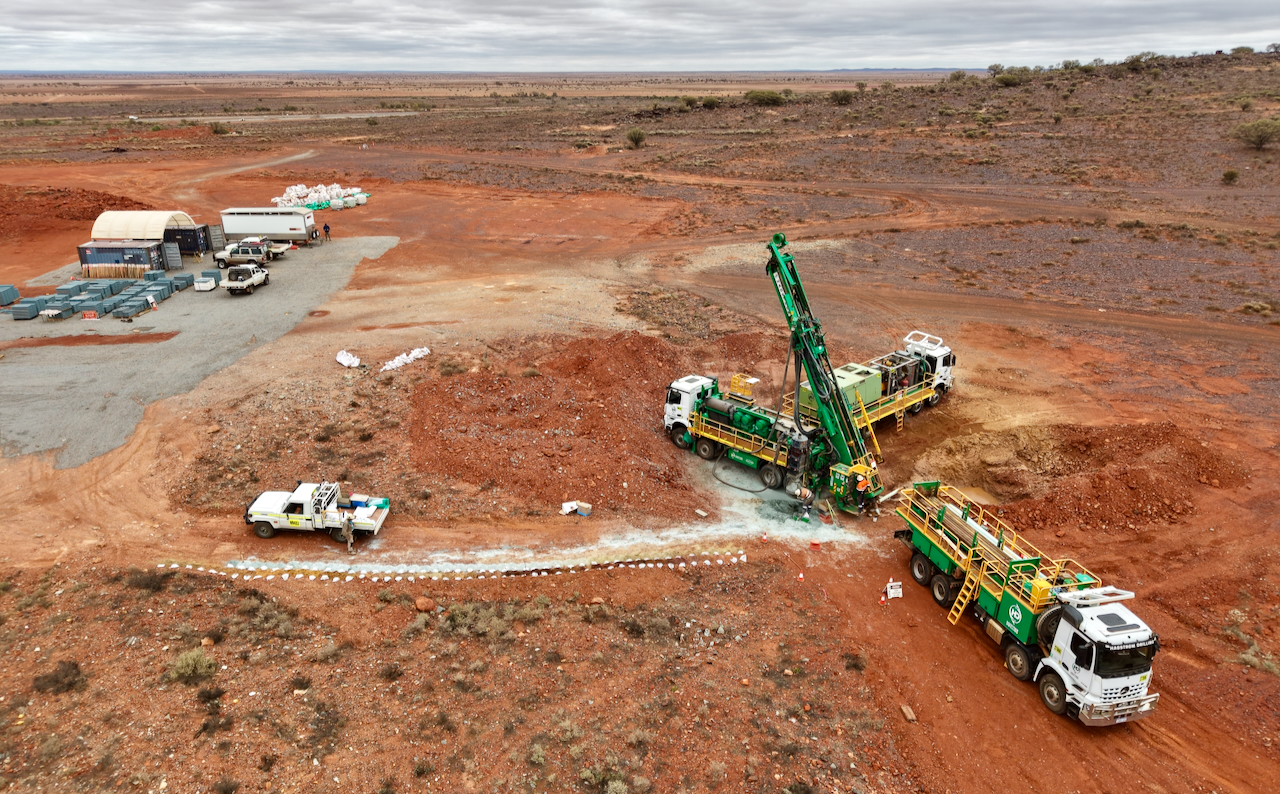
How one discovery is reshaping Caprice Resources’ Island Gold story
When Caprice Resources made its discovery at Vadrians, it gave the company a clear focal point at its flagship Island… -
GIG
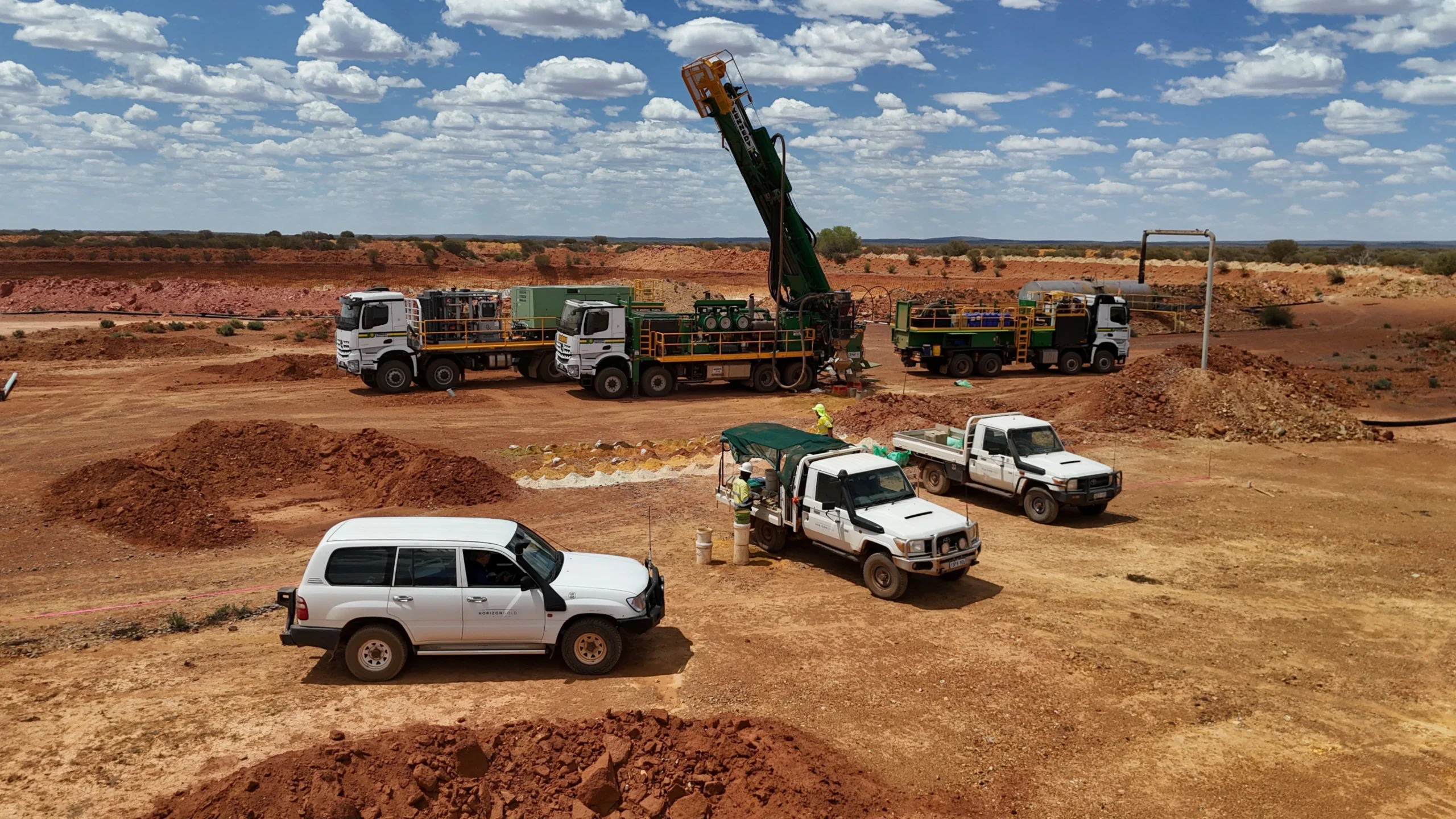
A pathway to more: Horizon Gold’s Gum Creek story
Rather than beginning with a Greenfields discovery, Horizon is working with a proven gold system that has an extensive history… -
GIG
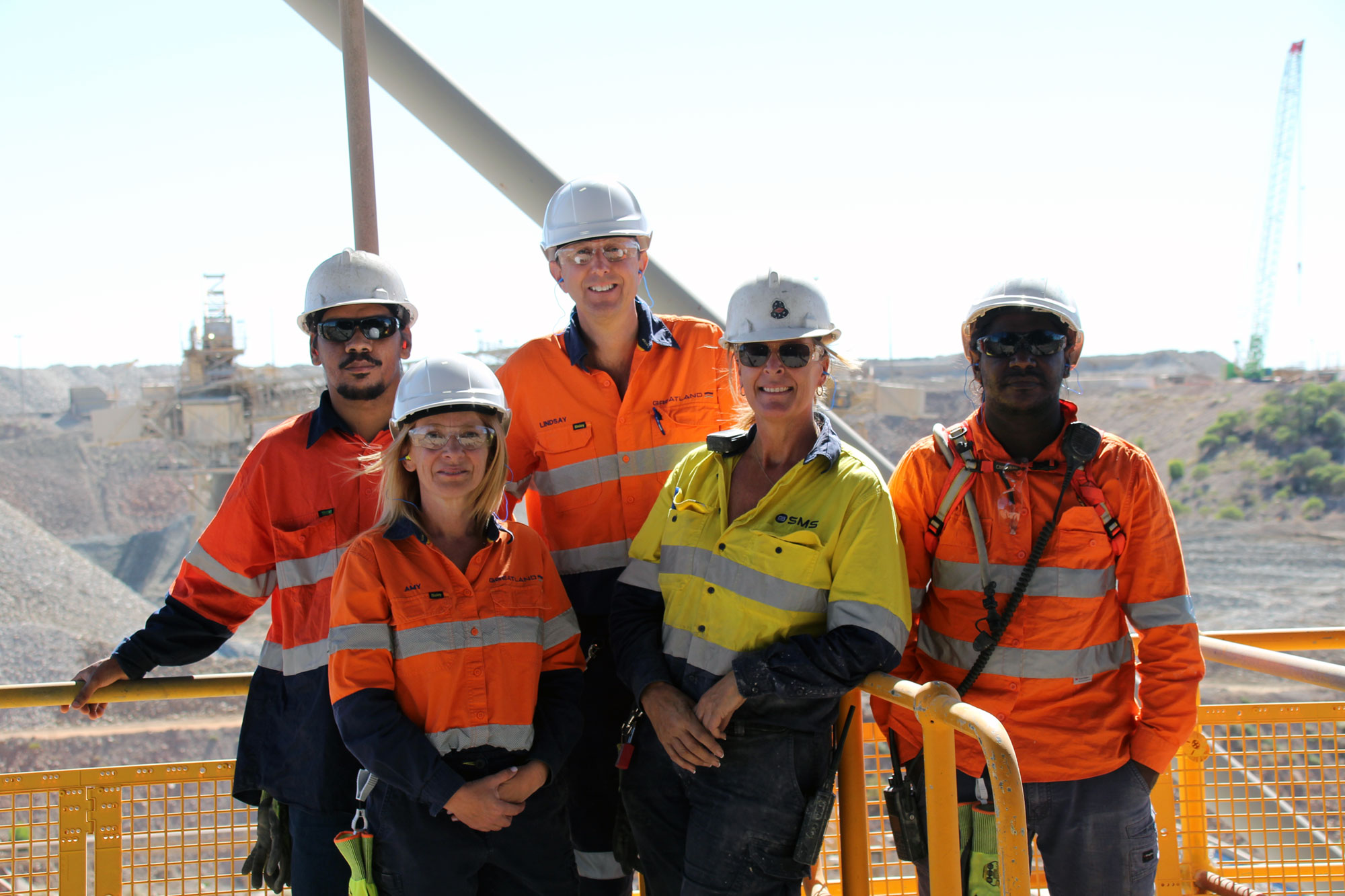
Building on an Australian icon: Greatland’s next chapter at Telfer
Greatland is building on that legacy while developing the nearby Havieron project, creating a long-term future for one of Australia’s… -
GIG
From Henty to Maldon: Kaiser Reef’s eastern states growth story
Kaiser Reef is building its future across two of eastern Australia’s historic gold regions.