
Made in Australia: The Untold Story of Australian Gold
The Gold Industry Group’s 2026 Leadership Breakfast at Diggers and Dealers explored the often unseen journey Australian gold takes after leaving the mine site, from refining and certification through to investment and global distribution. The discussion highlighted how Australia’s complete gold value chain, strong provenance and downstream capability have become important competitive advantages in global markets.

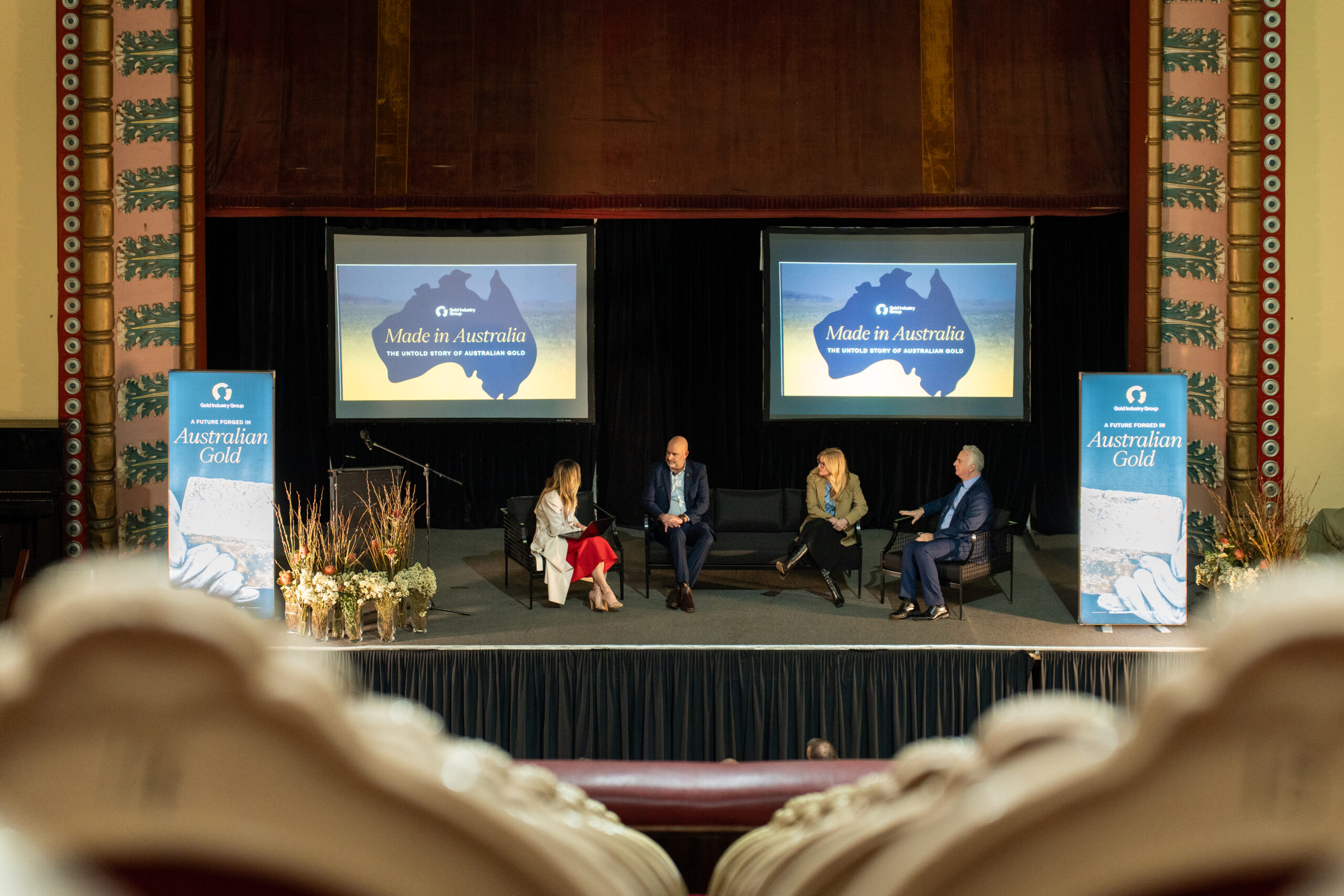
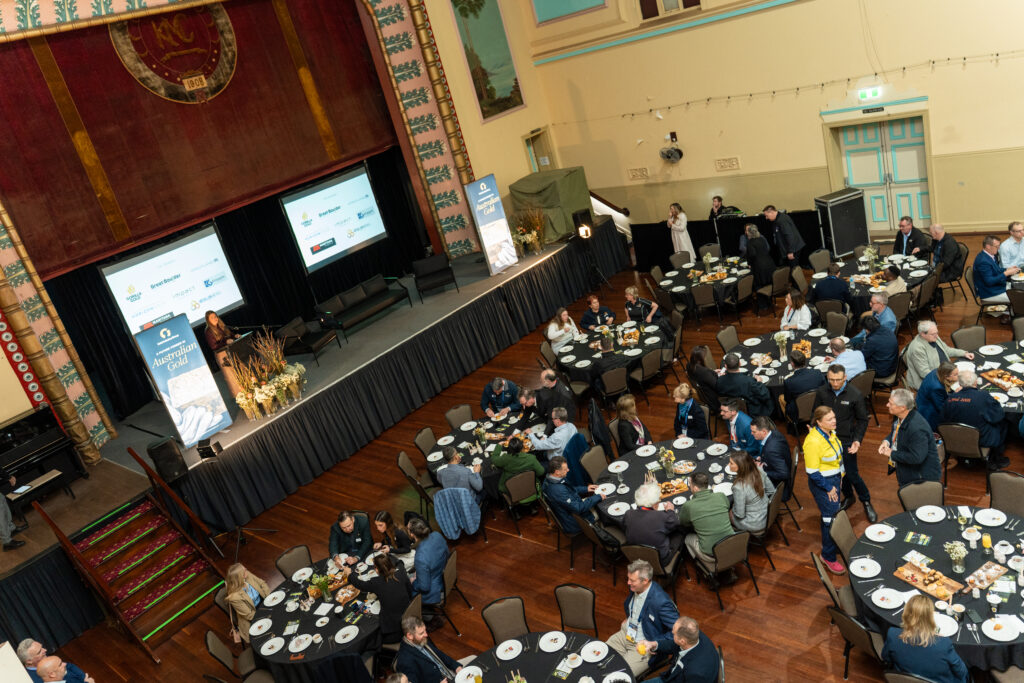
The Leadership Breakfast looked at a frequently neglected part of Australia’s gold industry: what happens to gold after it has left the mine. The event examined the stages of refining, certification, the production of investment products and global distribution, and stressed the fact that Australia has built a full gold value chain, the importance of this capability, and the measures needed to keep it in view in the face of increasing global competition.
Beyond the mine site
Exploration, discovery, development and production are familiar territory at Diggers & Dealers. But at this year’s Gold Industry Group Leadership Breakfast the topic began where most of the industry’s discussions typically finish. Made in Australia: The Untold Story of Australian Gold brought together leaders from refining, international markets, and investment banking to trace Australian gold from the doré bar leaving the mine site to the products ultimately held by investors, institutions, and central banks worldwide.
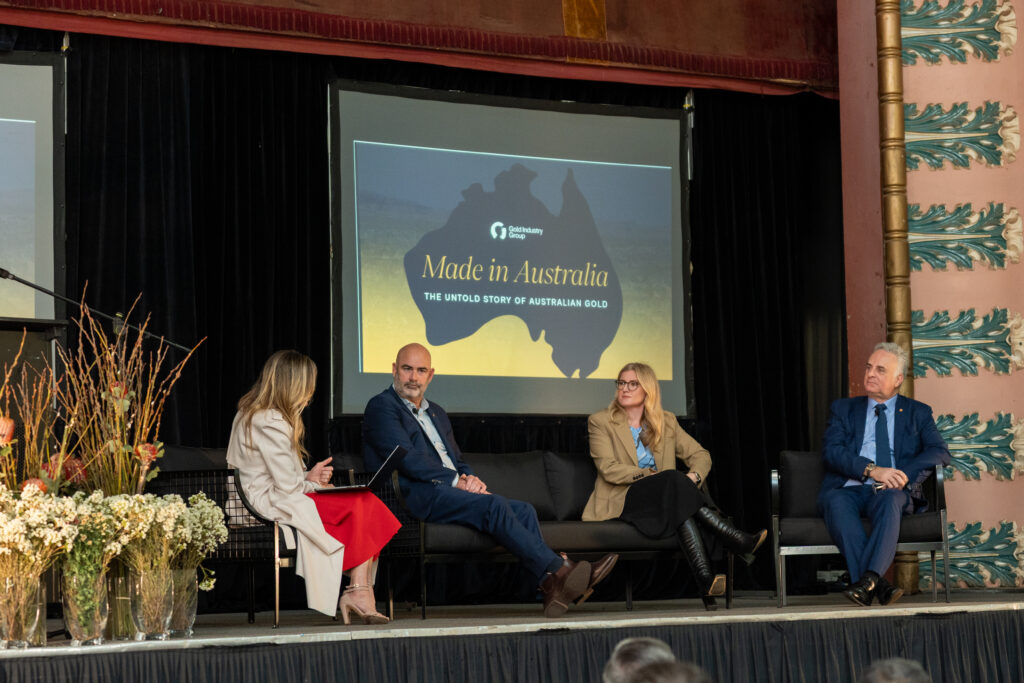
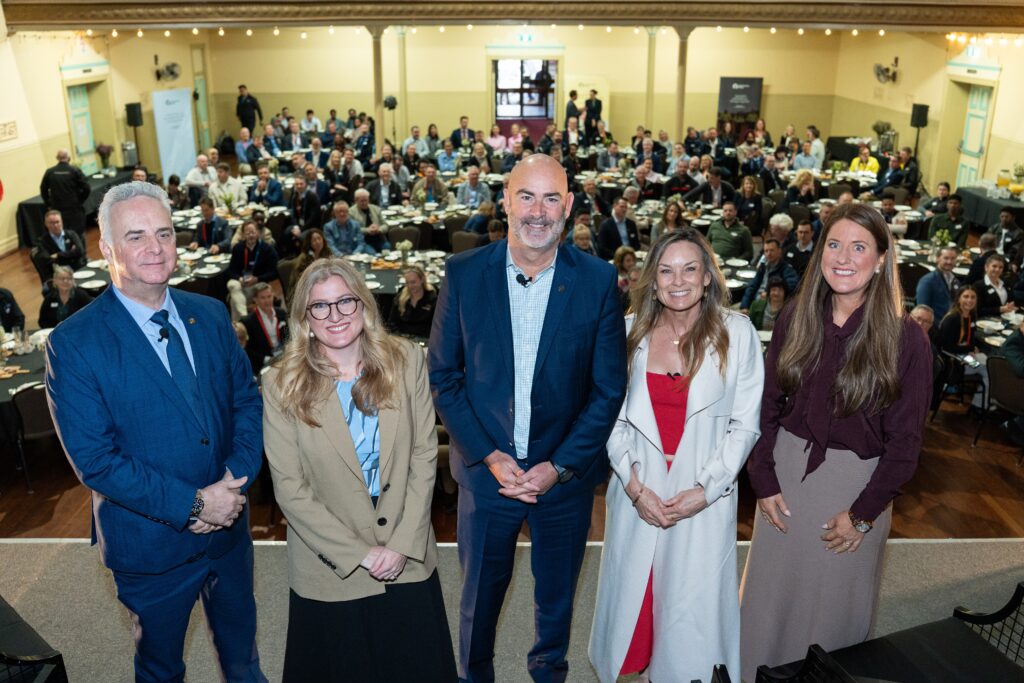
The panel featured Cameron Alexander, General Manager Commercial Development at The Perth Mint and Gold Industry Group Board Director; Nicholas Frappell, Global Head of Institutional Markets at ABC Refinery; and Courtney Libby, Vice President of Investment Banking at Canaccord Genuity.
The discussion was moderated by Chrissy Morrissy, who set the scene by highlighting the scale of the opportunity. Australia was the world’s third-largest gold producer in 2024, with gold export earnings forecast to reach around $68 billion in 2025–26 and $73 billion in 2026–27, placing gold behind only iron ore among Australia’s resources and energy export earners. Yet much of the infrastructure that makes that export success possible, including assaying, refining, accreditation, responsible sourcing, investment products and international distribution, remains largely invisible.
Turning doré into a globally trusted product
For Cameron Alexander, the journey begins the moment a doré bar arrives at the refinery. The bar is received, melted and assayed to establish exactly what it contains before being refined to investment-grade purity and transformed into products suitable for international markets. Those products can range from large London Good Delivery bars through to kilobars, coins and other investment products destined for markets across Asia, Europe and North America. But, as the panel made clear, refining is about far more than achieving chemical purity.
For Nicholas Frappell, internationally recognised accreditation is what turns refined gold into a product that can move freely through global financial markets. LBMA accreditation, together with access to markets such as the Shanghai Gold Exchange and COMEX, provides a level of international acceptance that underpins Australia’s ability to export gold at scale. The combination of Australia’s production base, highly regulated operating environment and two internationally accredited refiners gives the country a significant competitive advantage. Australia is not simply producing gold. It is producing a financial product recognised and trusted worldwide.
Provenance is becoming part of the product
One of the strongest themes to emerge from the discussion was the growing importance of provenance. For international buyers, knowing a bar’s purity is increasingly only part of the equation. They also want confidence in where the gold has come from, how it was produced and whether it has moved through a transparent and responsibly managed supply chain.
Cameron described responsible sourcing and provenance as increasingly close to a “licence to operate” in international markets. Australia’s regulatory standards, established mining practices and accredited refining capability therefore carry value well beyond compliance.
The panel discussed an emerging divide between gold moving through internationally recognised responsible-sourcing frameworks and material produced or refined in jurisdictions where regulation, transparency and traceability may be less rigorous.
Technology is also accelerating that shift. Refiners are exploring systems capable of tracking gold from the mine site, through refining and manufacturing, to the final customer. Blockchain and other traceability technologies could eventually allow a buyer to scan a bar and verify where the gold originated and how it moved through the supply chain. For Australian gold, that creates an opportunity to make provenance visible rather than assumed.
Innovation behind the refinery doors
While gold refining is one of the industry’s oldest capabilities, the technology inside modern refineries is evolving rapidly. Automation, robotics and advanced refining processes are increasingly being used to reduce costs, improve consistency and lower environmental impacts.
Cameron described how processes once dependent on hand casting are becoming highly automated, with integrated production lines capable of taking refined gold through manufacturing, packaging, and preparation for export.
For Nicholas, this investment is not “innovation for innovation’s sake”.
Australia’s refiners compete internationally against businesses with different labour, energy and regulatory costs. Technology is therefore central to maintaining both productivity and competitiveness while continuing to meet the standards expected of Australian product.
The challenge is particularly important given Australia’s geography. Gold may trade almost instantly through global financial markets. However, the physical metal still needs to move from remote mine sites to refineries and then across significant distances to international customers. Energy, transport and operating costs consequently remain important competitive pressures.
Investors are rewarding execution
The discussion then moved upstream again, this time through the lens of capital markets.
Courtney Libby noted that while rising gold prices had initially lifted company valuations, recent volatility had reinforced that a strong commodity price does not automatically translate into a higher share price or easier access to capital for every company. Investors remain interested in precious metals, but they are becoming more selective. Rather than simply rewarding exposure to gold, institutional investors increasingly want evidence that management teams are delivering. That means metres drilled, studies completed, infrastructure solutions identified and companies executing against the plans they have presented to the market.
Australia’s position as a tier-one mining jurisdiction remains an advantage in attracting global capital, with international corporates continuing to seek high-quality Australian assets and opportunities. But infrastructure is also becoming an increasingly important part of asset value.
The panel discussed the role of regional consolidation and access to processing capacity, including transactions where nearby mills can change the strategic value of otherwise standalone resources.
For explorers, Courtney’s message was clear: understand the strategic value created by nearby infrastructure, but do not rely on it. Companies should continue to develop their assets as if they intend to take them into production themselves. In doing so, they create greater value whether the ultimate outcome is independent development, partnership or acquisition.
A growing investment market at home
Another opportunity sits much closer to home. The panel explored the growing range of ways investors can access gold, from physical bars and coins through to exchange-traded and gold-backed investment products. Products such as The Perth Mint’s PMGOLD allow investors to gain exposure to physical gold without personally needing to store and insure bullion.
Cameron pointed to the scale of Australia’s superannuation system as a particularly significant future opportunity. With the national superannuation pool currently around $4.4 trillion and expected to grow substantially over the next decade, even relatively small changes in portfolio allocations could represent meaningful new demand for gold and gold-backed products.
Education will be an important part of capturing that opportunity. As investment options become broader, investors need to understand the different ways they can gain exposure to gold and choose the vehicle appropriate to their circumstances.
The risks behind Australia’s advantage
The panel was also careful not to assume Australia’s current position is guaranteed. High energy and transport costs, competition from larger offshore refiners and changing buyer priorities all have the potential to erode Australia’s advantage.
Cameron pointed to the possibility of gold refined in markets with less stringent regulatory frameworks increasingly entering markets traditionally served by Australian product. If buyers prioritise price over provenance, the commercial advantage associated with responsible sourcing could narrow.
Nicholas also raised a longer-term structural issue: China’s changing demographics. Australia has become accustomed to China playing an outsized role in commodity demand, including physical gold. But an ageing population and declining working-age cohort could significantly alter Chinese saving and consumption patterns over the coming decade. That could eventually affect not just gold demand, but a much broader range of Australian commodity exports.
It was a reminder that Australia’s gold industry operates in a continually changing global market, and that maintaining competitiveness will require more than relying on historical strengths.
A blueprint for downstream capability
Perhaps the most compelling discussion of the morning came when the panel considered what Australia’s gold industry could teach other commodities. Governments are currently investing significant effort in building domestic downstream capability for critical minerals and strategic resources.
Gold already has this in place. Australia mines gold, refines it domestically, manufactures investment products, builds specialised technical capability and intellectual property, and distributes finished products into global markets.
For Cameron, that makes gold “a fantastic example of what can be done” when the full supply chain is retained and developed within Australia.
Nicholas took the point further, describing gold as an enabler for Australia’s broader minerals future. Gold deposits can occur alongside strategic and critical minerals, and the cash flow generated by gold production can help support the development of those additional resources. That interaction could become increasingly important as Australia seeks to build the next generation of mineral industries.
More than a commodity
The breakfast began with a doré bar leaving the mine site and ended with a much broader picture of what Australian gold represents. It is a mining story, but also a manufacturing story. It is a story of advanced processing, international finance, technical expertise, responsible sourcing, investment and export. And importantly, it is a story that continues to create value in the regional communities where gold is discovered and produced.
As the panellists reflected in their closing remarks, the strength of Australian gold lies not in any single part of the chain, but in the capability that exists across the entire system. For an industry accustomed to talking about what lies beneath the ground, the morning offered a timely reminder that some of Australian gold’s greatest competitive advantages are created after it comes out of it.
Photo Gallery
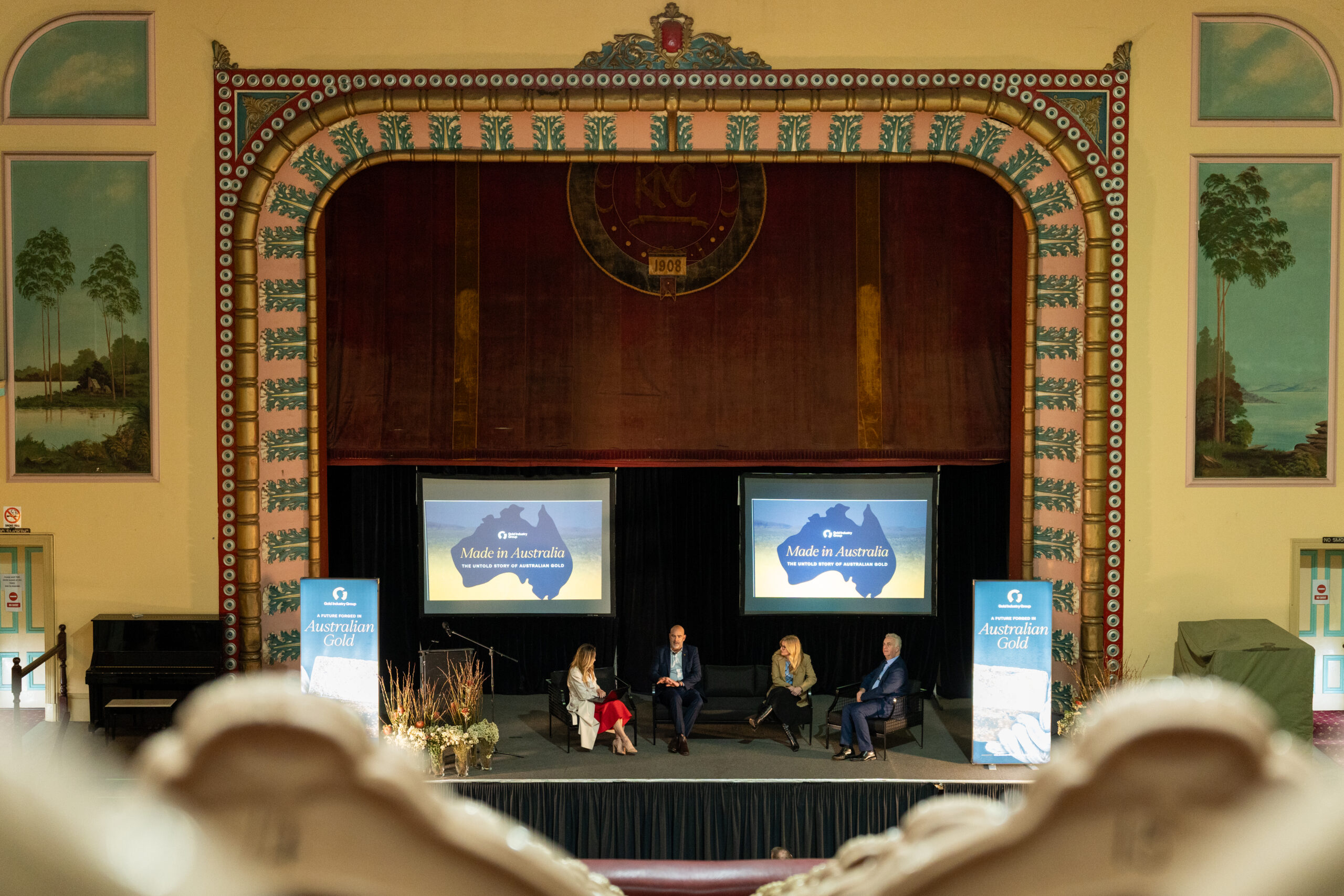
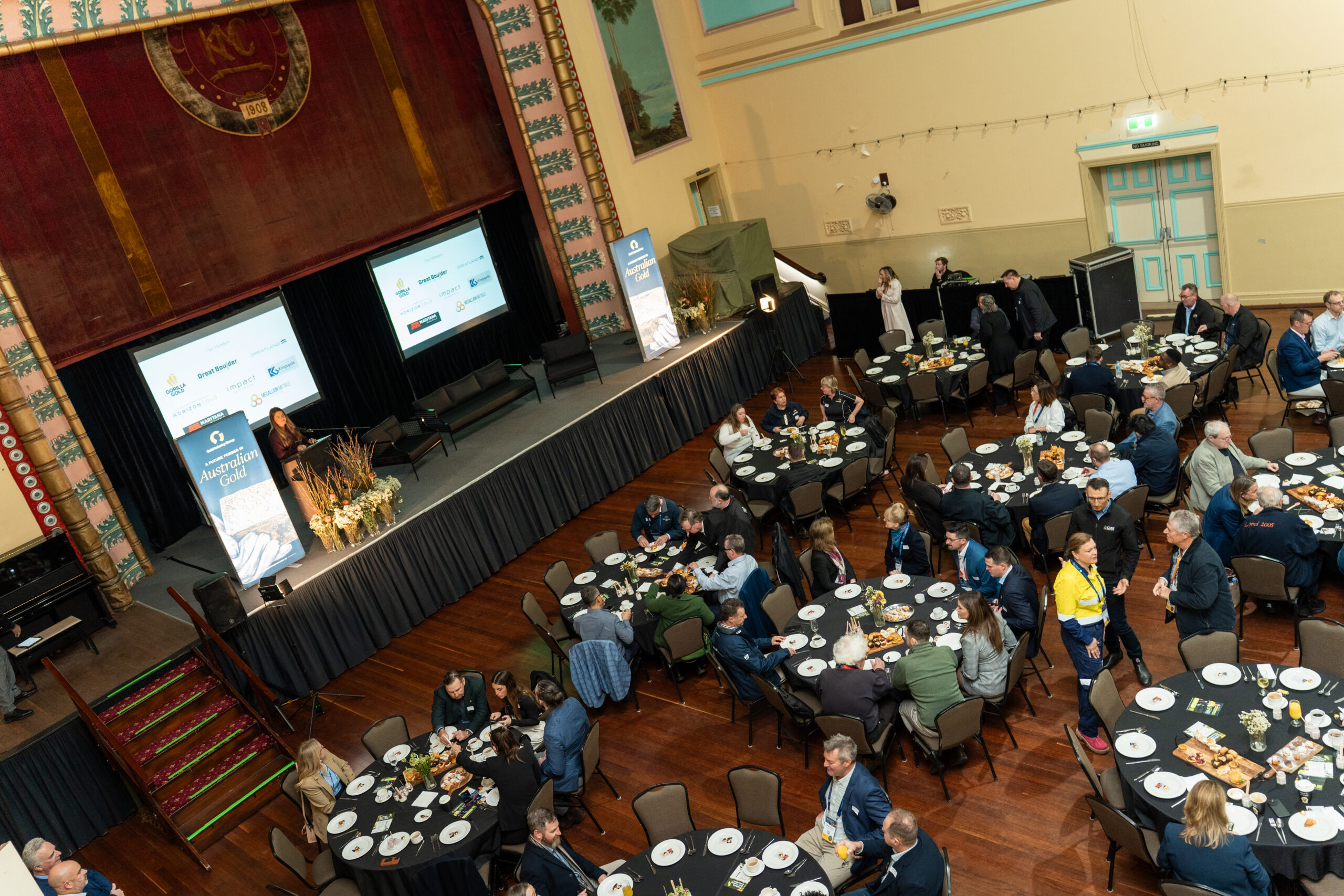
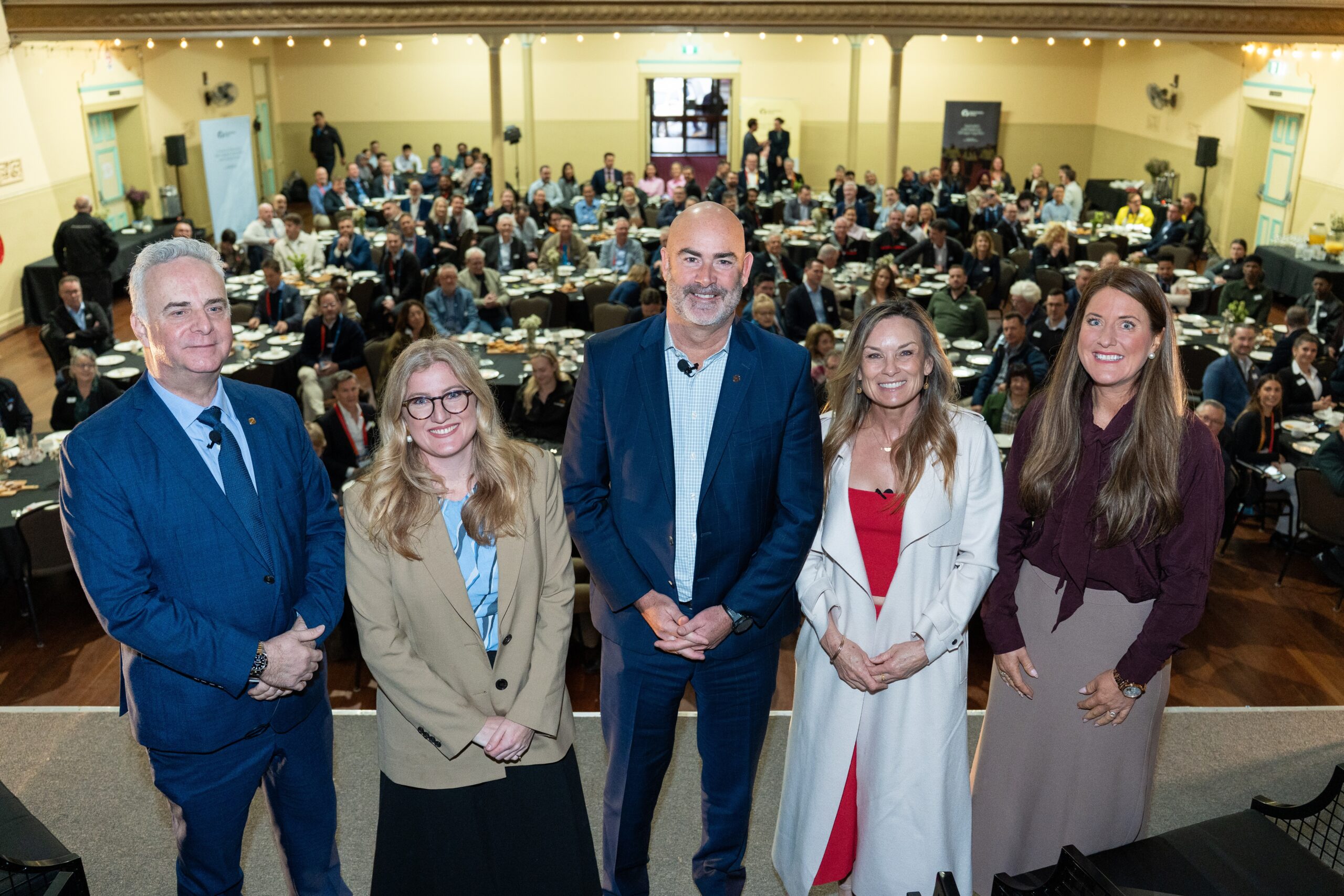
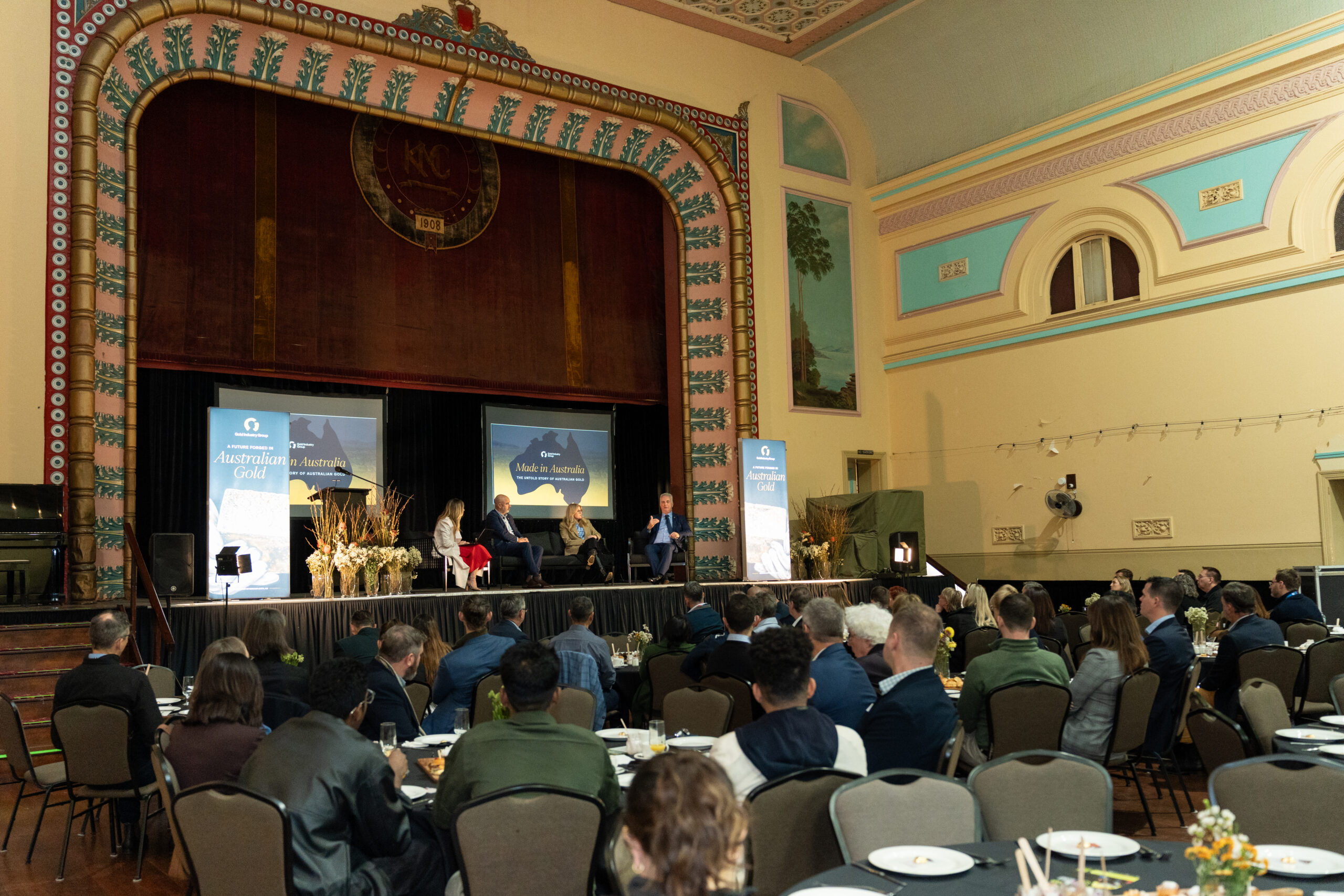
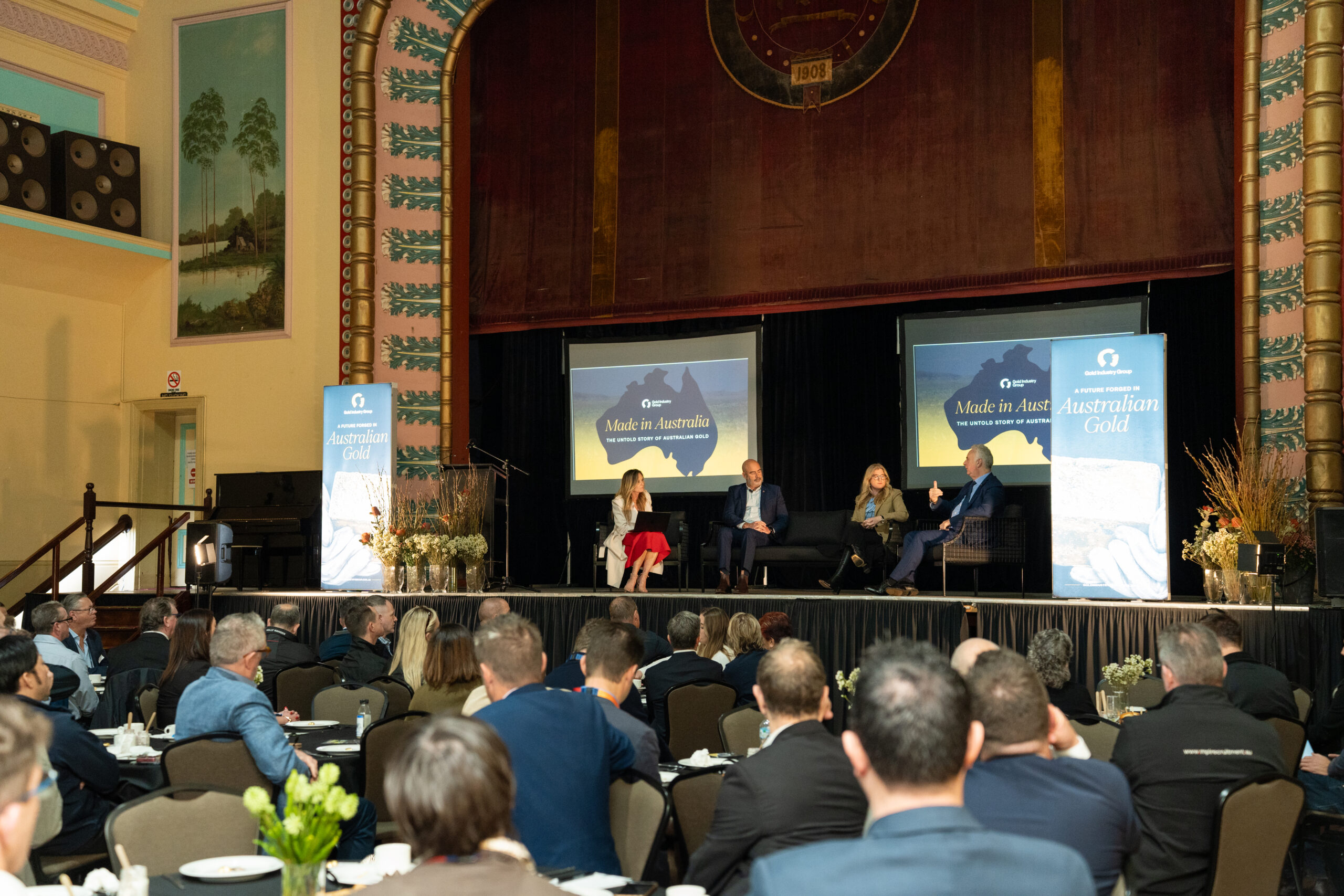
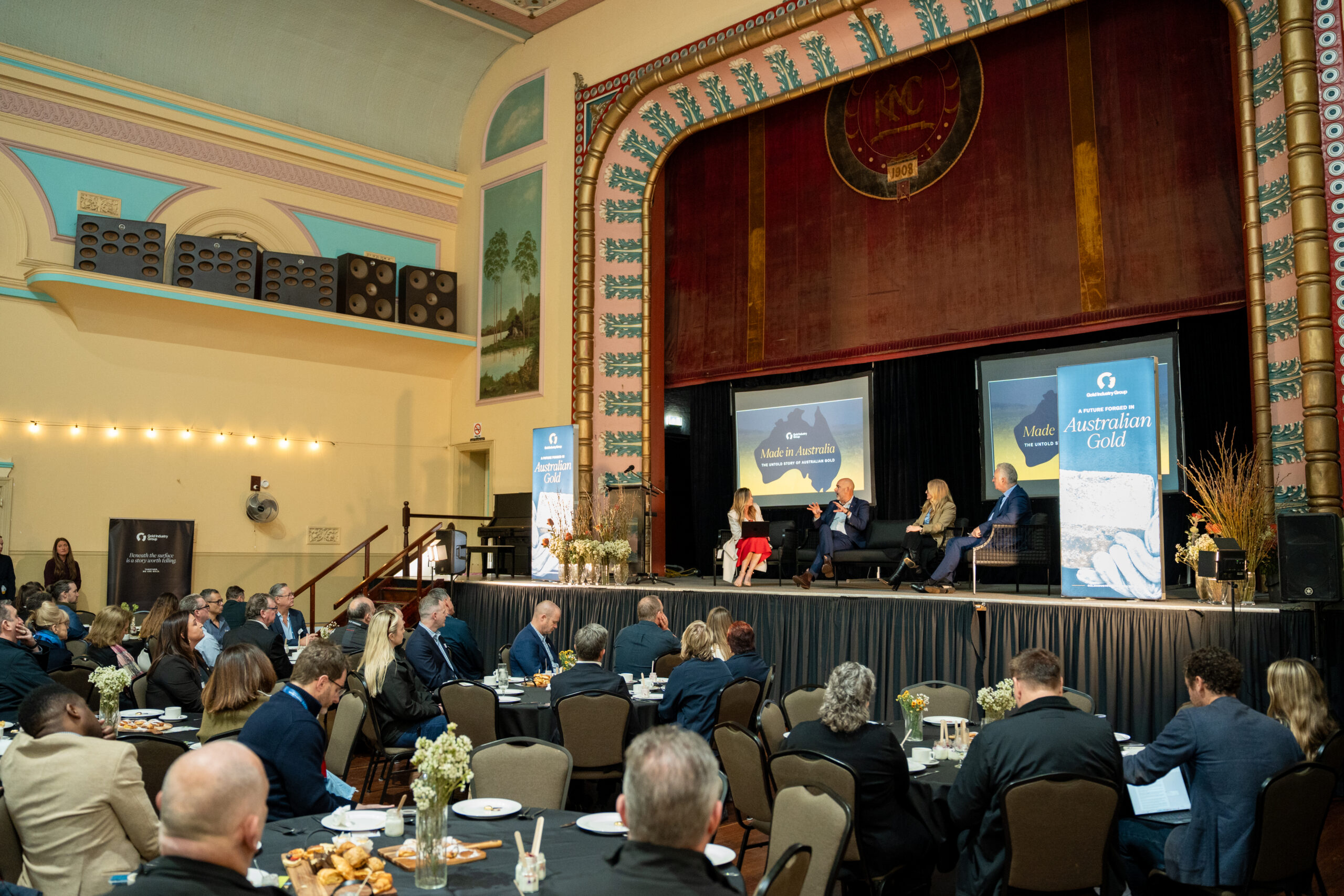
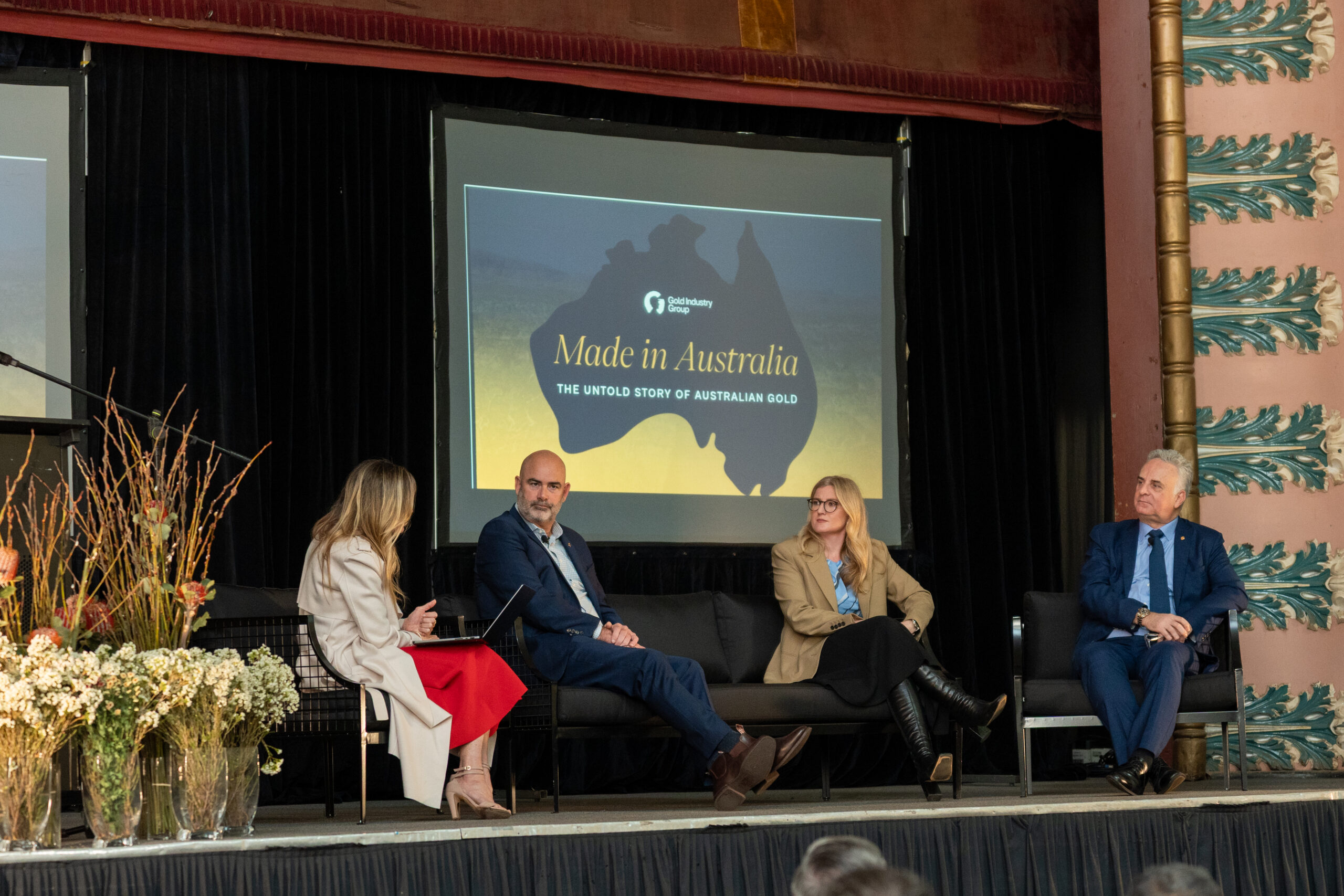
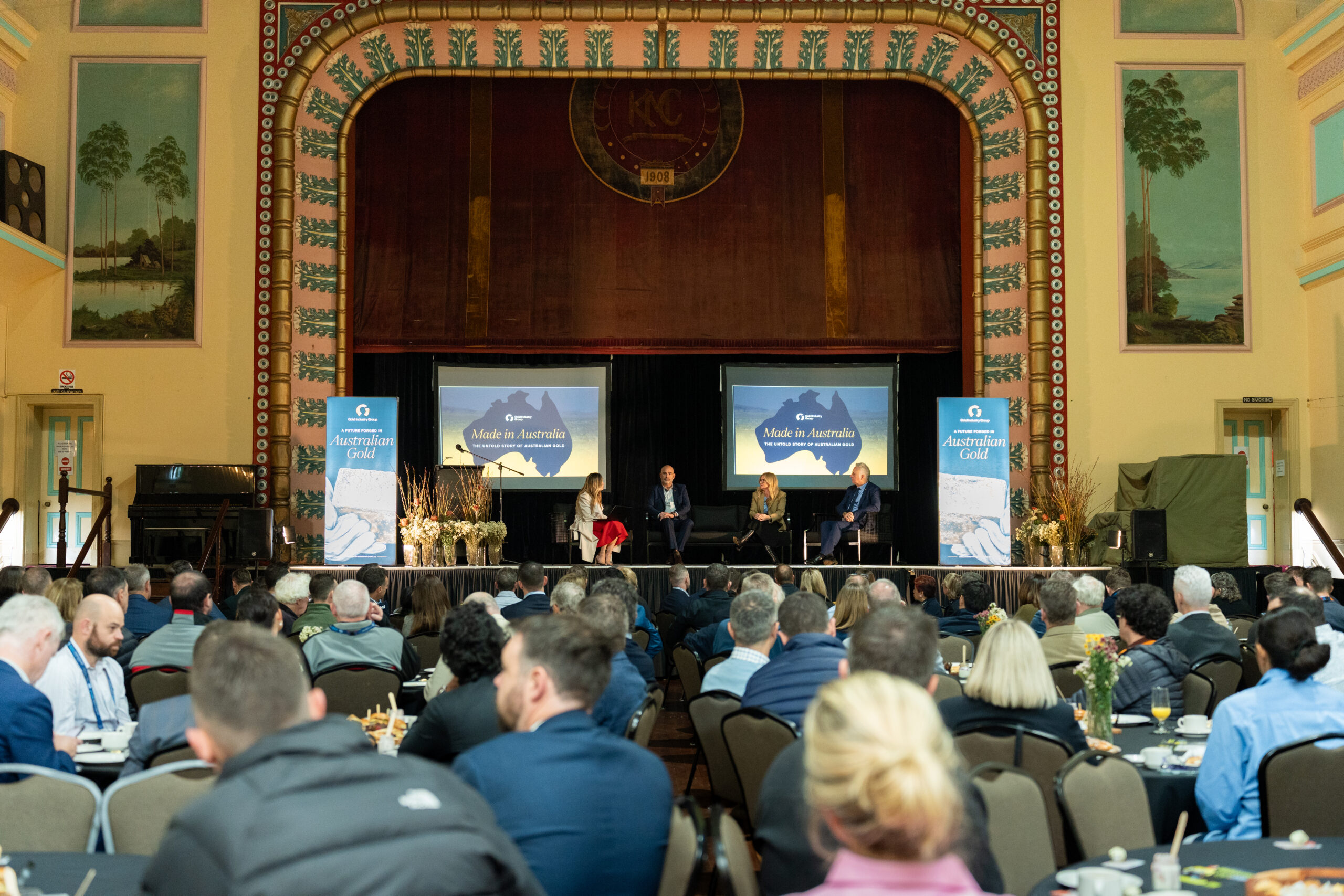
Table of Contents
- Beyond the mine site
- Turning doré into a globally trusted product
- Provenance is becoming part of the product
- Innovation behind the refinery doors
- Investors are rewarding execution
- A growing investment market at home
- The risks behind Australia’s advantage
- A blueprint for downstream capability
- More than a commodity
-
Member Feature
Four years to one million ounces: Great Boulder Resources’ Side Well story
In December 2025, Great Boulder Resources reached a major milestone at its Side Well Gold Project, establishing a resource base… -
Member Feature
How one discovery is reshaping Caprice Resources’ Island Gold story
When Caprice Resources made its discovery at Vadrians, it gave the company a clear focal point at its flagship Island… -
GIG
A pathway to more: Horizon Gold’s Gum Creek story
Rather than beginning with a Greenfields discovery, Horizon is working with a proven gold system that has an extensive history… -
GIG
Building on an Australian icon: Greatland’s next chapter at Telfer
Greatland is building on that legacy while developing the nearby Havieron project, creating a long-term future for one of Australia’s… -
GIG
From Henty to Maldon: Kaiser Reef’s eastern states growth story
Kaiser Reef is building its future across two of eastern Australia’s historic gold regions.